
TL;DR · Turnkey Bottling Engineering Summary
Sailwin Turnkey Bottling Lines integrate automated reverse osmosis water purification, high-speed PET stretch blow molding, 3-in-1 isobaric/gravity monobloc filling, rotary BOPP labeling, and automatic shrink bundle packaging. Covering 2,000 to 16,000 BPH across 0.2L to 2.5L bottles, our centralized PLC line synchronization holds fill-level accuracy within ±2mm and achieves overall line efficiency (OEE) > 91%.
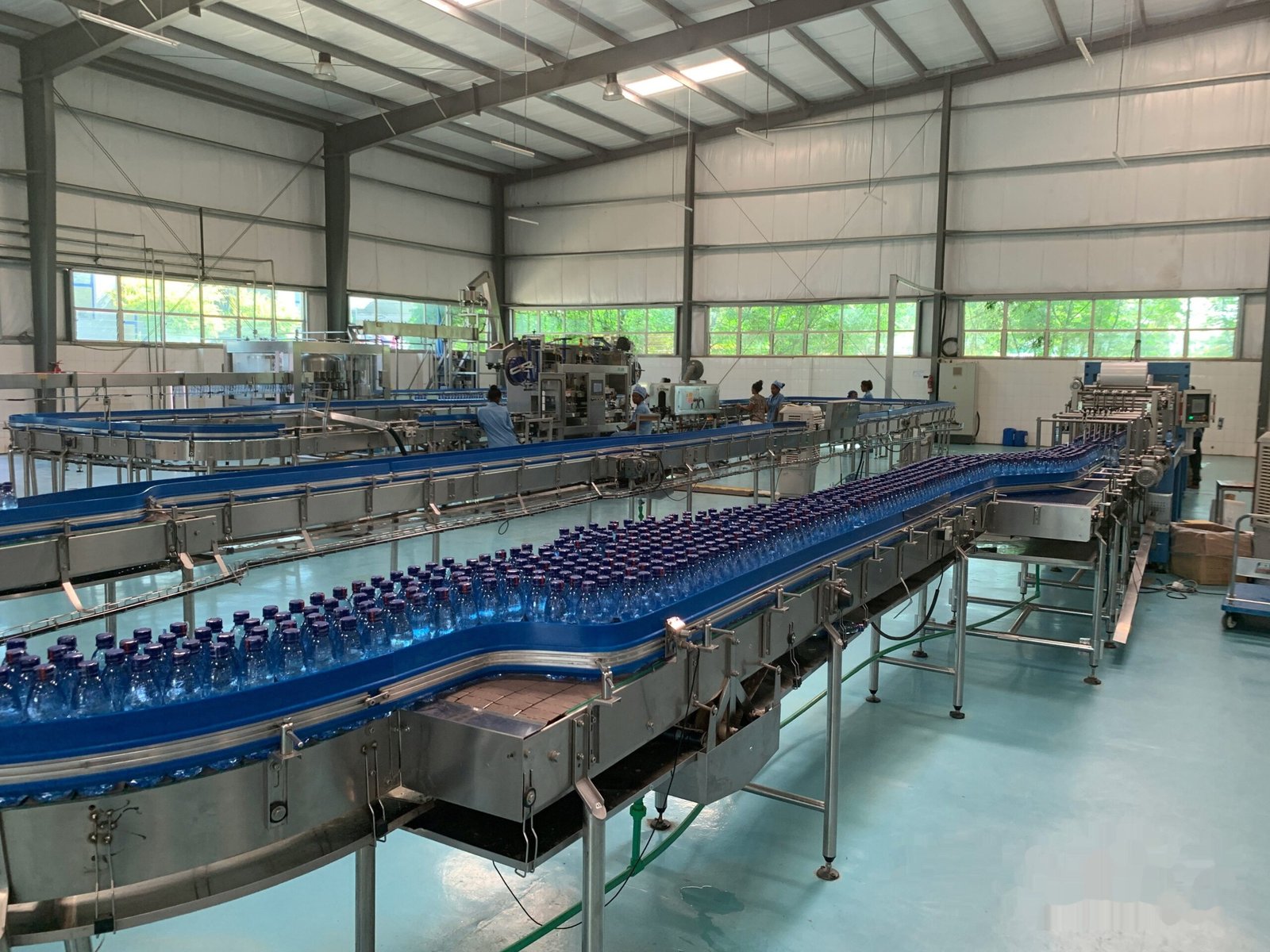
Key Engineering Takeaways for Bottling Plant Selection
Whether initiating a brand-new regional packaged drinking water facility or expanding a high-volume beverage enterprise, selecting the right bottling machine requires calculating continuous hourly bottle throughput, line layout footprint, and automated end-of-line packaging. Sailwin Machinery designs, manufactures, and commissions complete industrial liquid bottling systems that eliminate transfer friction between bottle blowing, sterile filling, labeling, and automated packing.
Turnkey Bottling Line: 7-Stage Integrated Production Sequence
A high-yield bottling line is an unbroken kinetic chain. Below is the step-by-step engineering breakdown of our complete automated bottling solution:
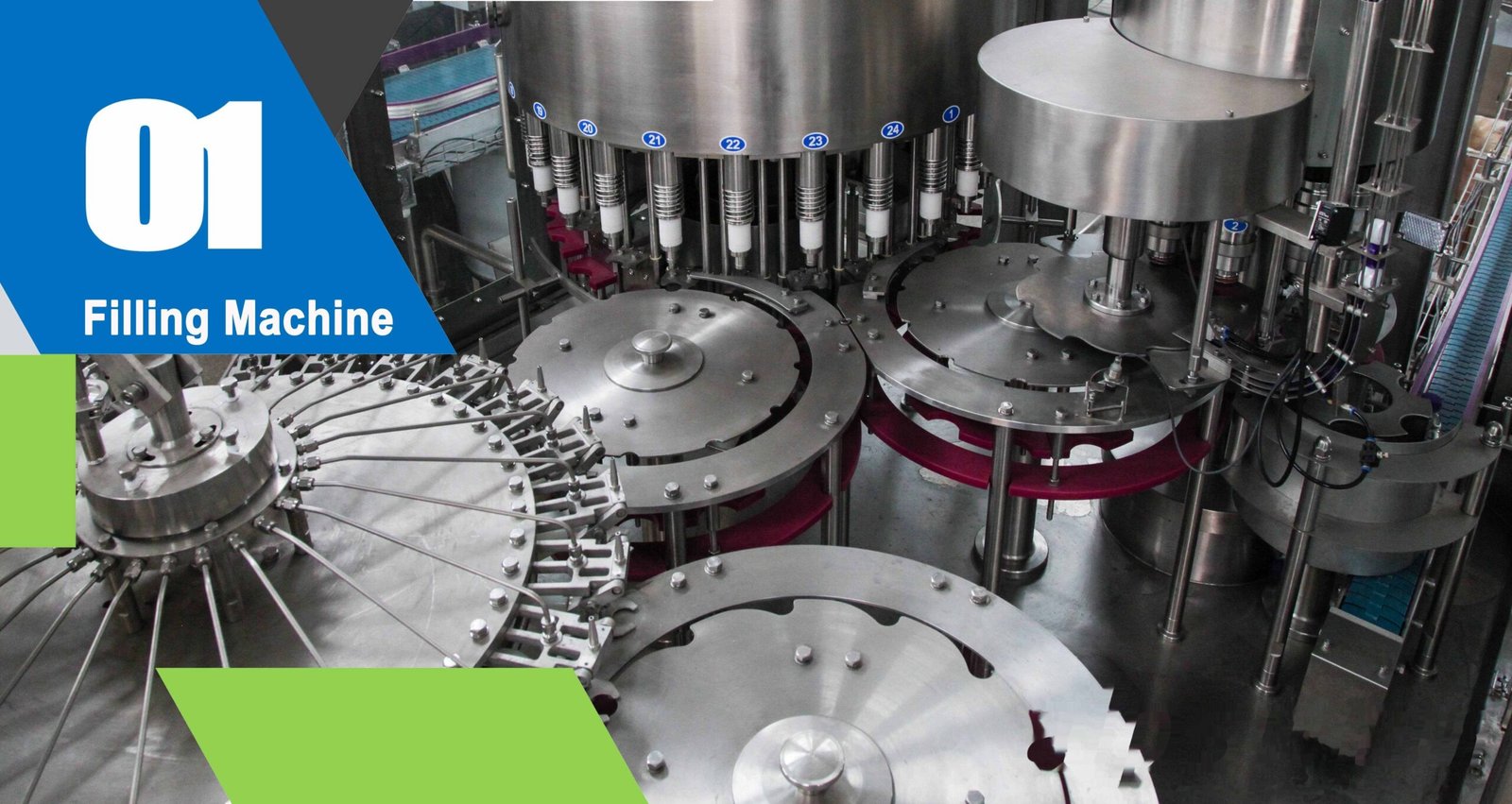
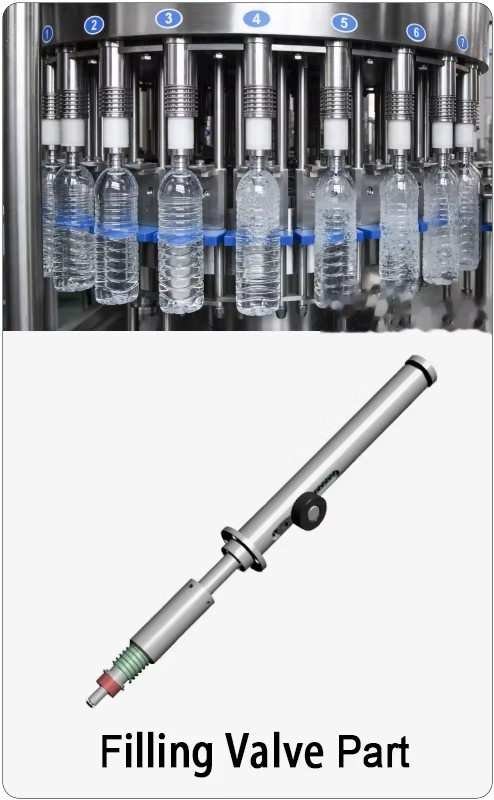
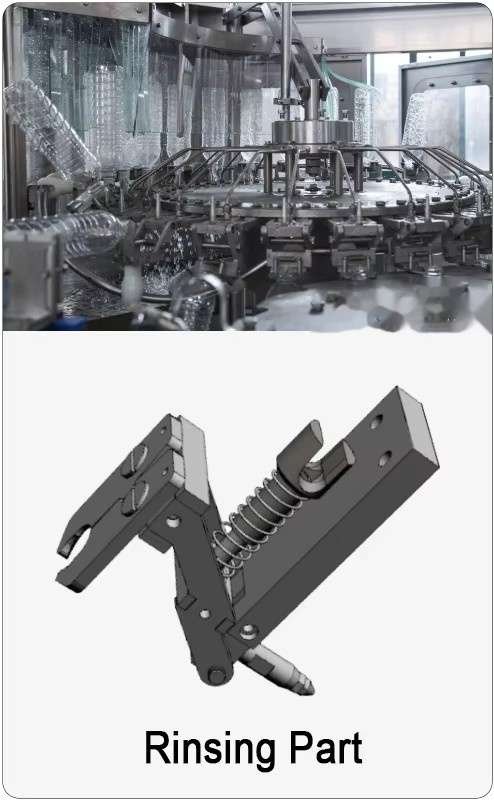
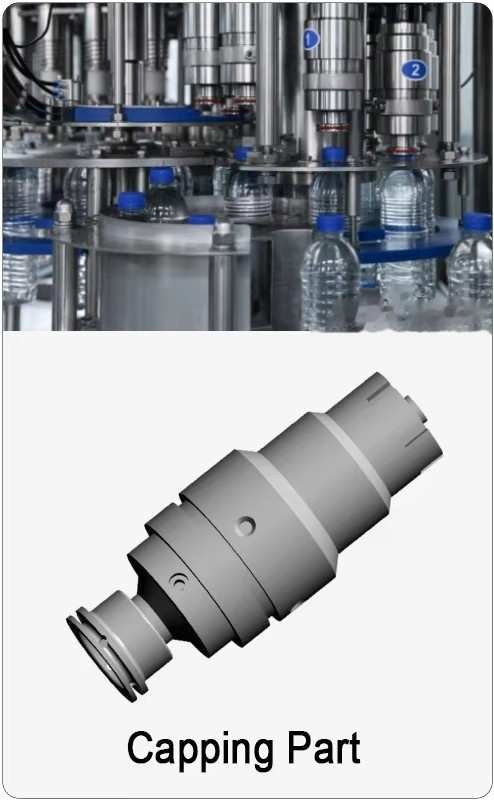
The mechanical heart of the bottling line. Bottles are inverted by stainless steel SUS304 grippers for sterile deionized rinsing, transferred via precision pitch starwheels to isobaric/gravity filling valves, and immediately sealed by magnetic constant-torque capping heads. Cleanroom laminar air flow maintains ISO Class 5 sterility inside the enclosure.
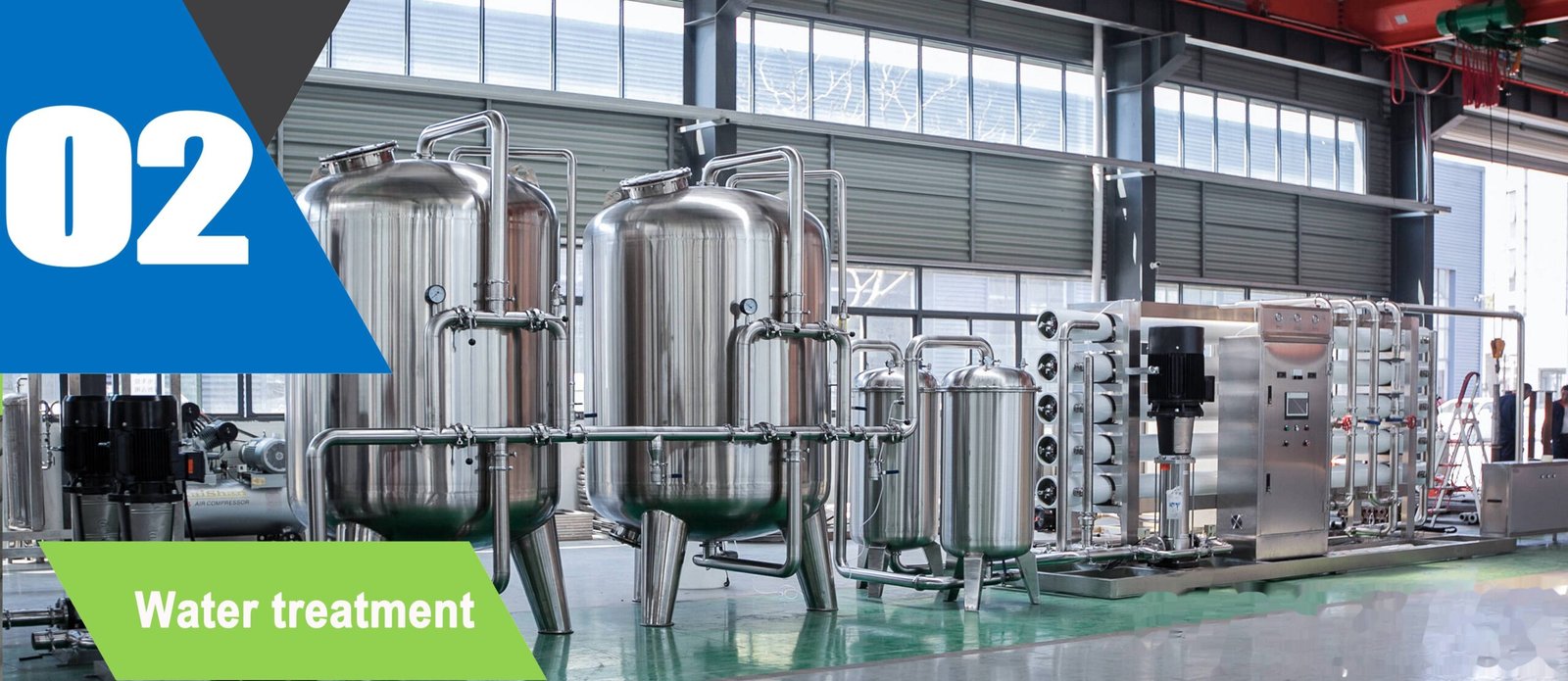
Before filling begins, source water undergoes rigorous multi-stage physical and chemical purification: quartz sand filtration, active carbon absorption, sodium ion softening, precision cartridge micro-filtration, two-stage Reverse Osmosis (RO) filtration (desalination rate ≥ 99.2%), and UV/ozone terminal sterilization.
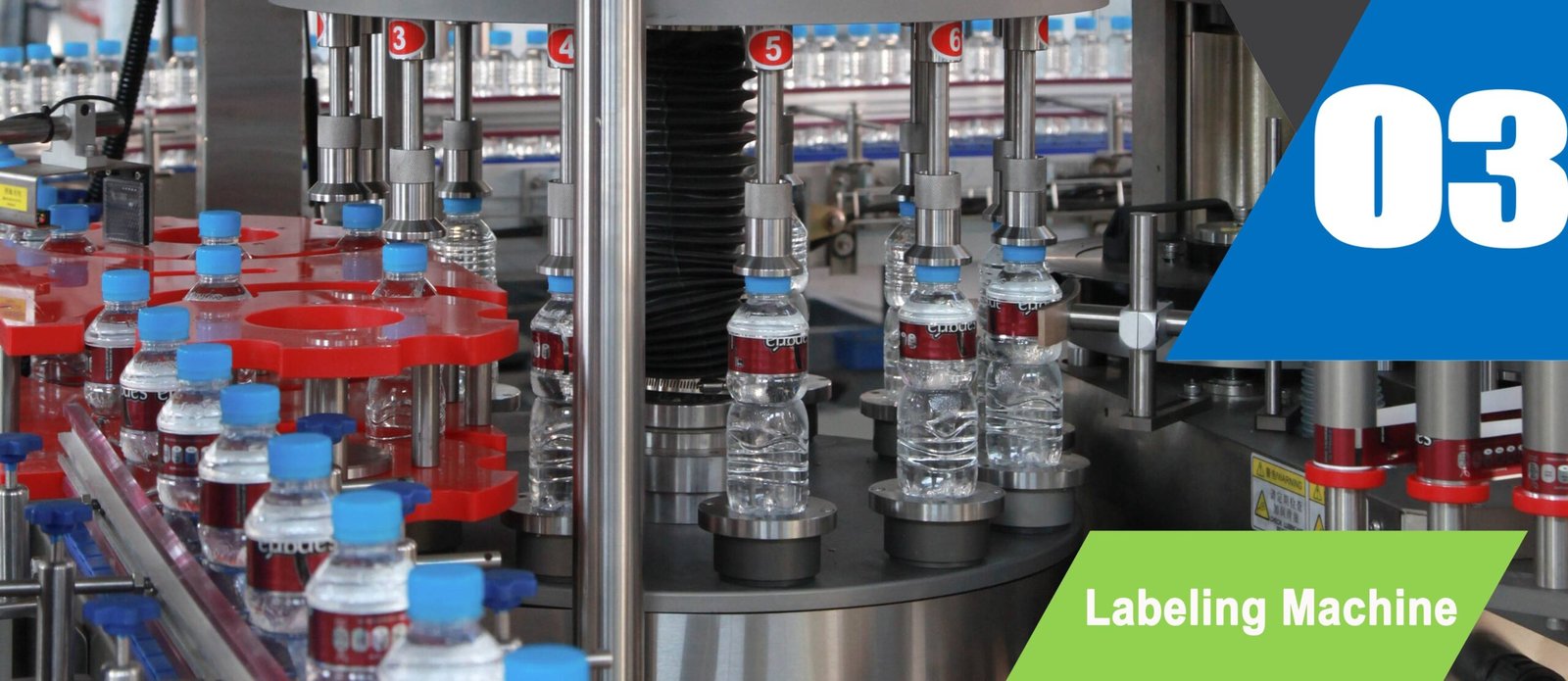
Equipped for either rotary hot-melt BOPP wrap-around labeling or steam shrink sleeve labeling. Photoelectric sensors detect bottle position, applying adhesive or shrink heat with zero label skew (±0.5mm tolerance) across contoured cylindrical or square containers up to 16,000 BPH.
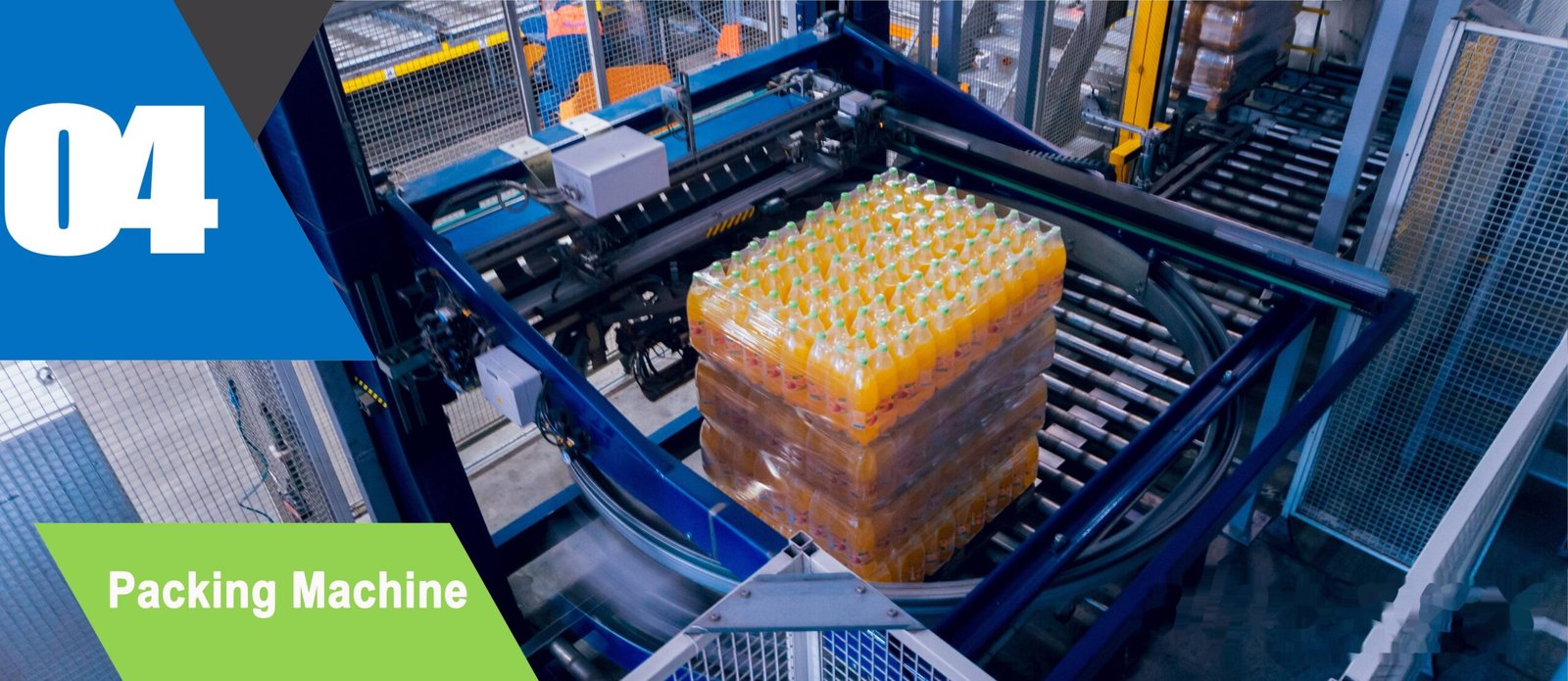
Automated bottle dividing collation gathers bottles into 2×3, 3×4, or 4×6 cluster matrixes. Constant-temperature thermal circulating shrink tunnel wraps bundles in durable PE film, delivering pallet-ready multi-packs without cardboard corrugated box overhead.
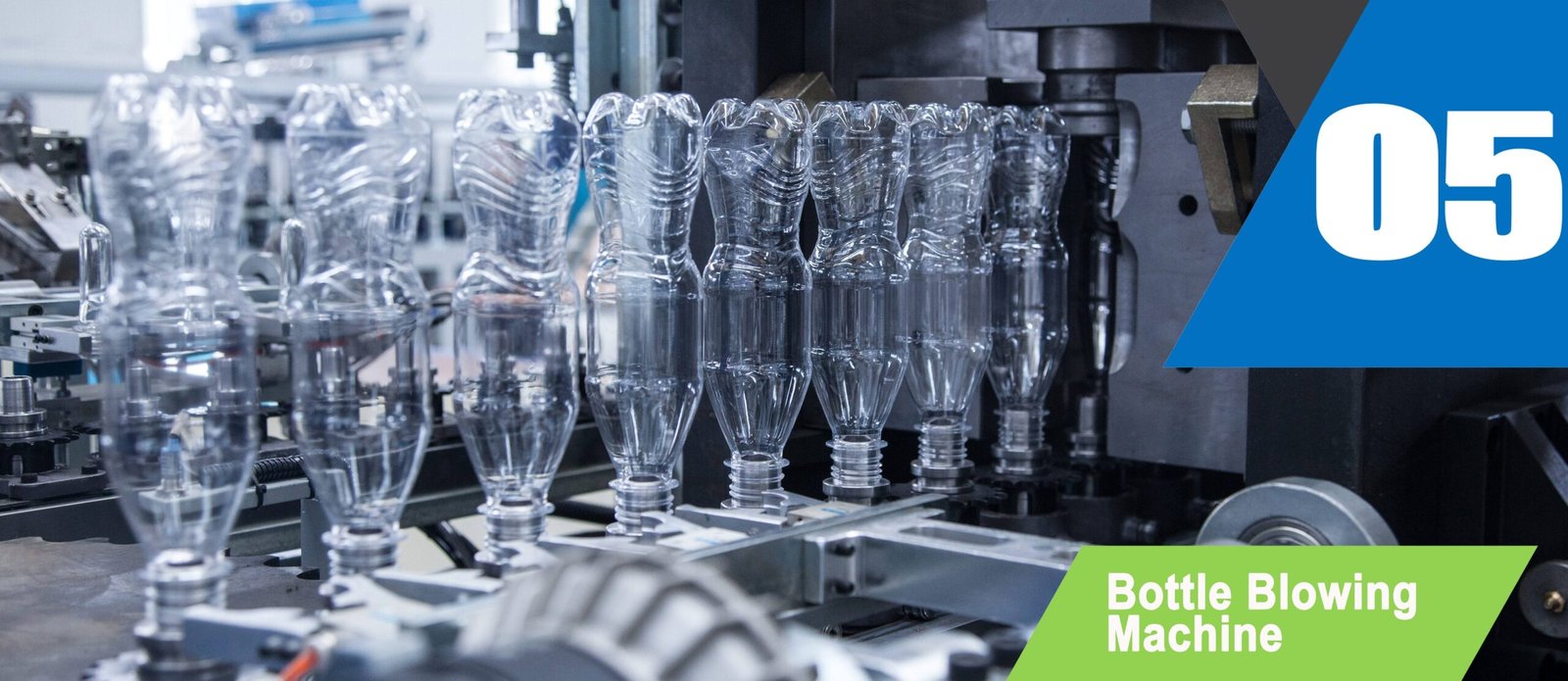
Linear or rotary stretch blow molding machines heat raw PET preforms using energy-efficient infrared heating lamps and blow rigid containers with high-pressure air (30-40 bar). Bottles discharge directly into positive-pressure HEPA air conveyors without manual container handling.
Precision Engineering: Valve, Gripper & Capping Detail
Bottling Machine Capacity Sizing & Specification Matrix
| Capacity Band | Target Containers | Rinser-Filler-Capper Heads | Matched PET Blow Molder | Plant Footprint (L×W) |
|---|---|---|---|---|
| Compact 2,000–3,000 BPH | 330ml–1.5L Still Water | RFC 12-12-4 Monobloc | SW-2C (2-Cavity Auto) | 20m × 6m (120 m²) |
| Mid-Range 5,000–6,000 BPH | 500ml Water, Juice, Tea | RFC 18-18-6 Monobloc | SW-4C (4-Cavity Auto) | 30m × 8m (240 m²) |
| High-Speed 9,000–12,000 BPH | High-volume commercial water | RFC 32-32-10 Monobloc | SW-6C (6-Cavity High Speed) | 45m × 10m (450 m²) |
| Industrial 15,000+ BPH | Large regional beverage plant | RFC 40-40-12 Rotary | Rotary Continuous SBM | 60m × 12m (720 m²) |
Turnkey Plant Case Study: 6,000 BPH Water Bottling Line Project
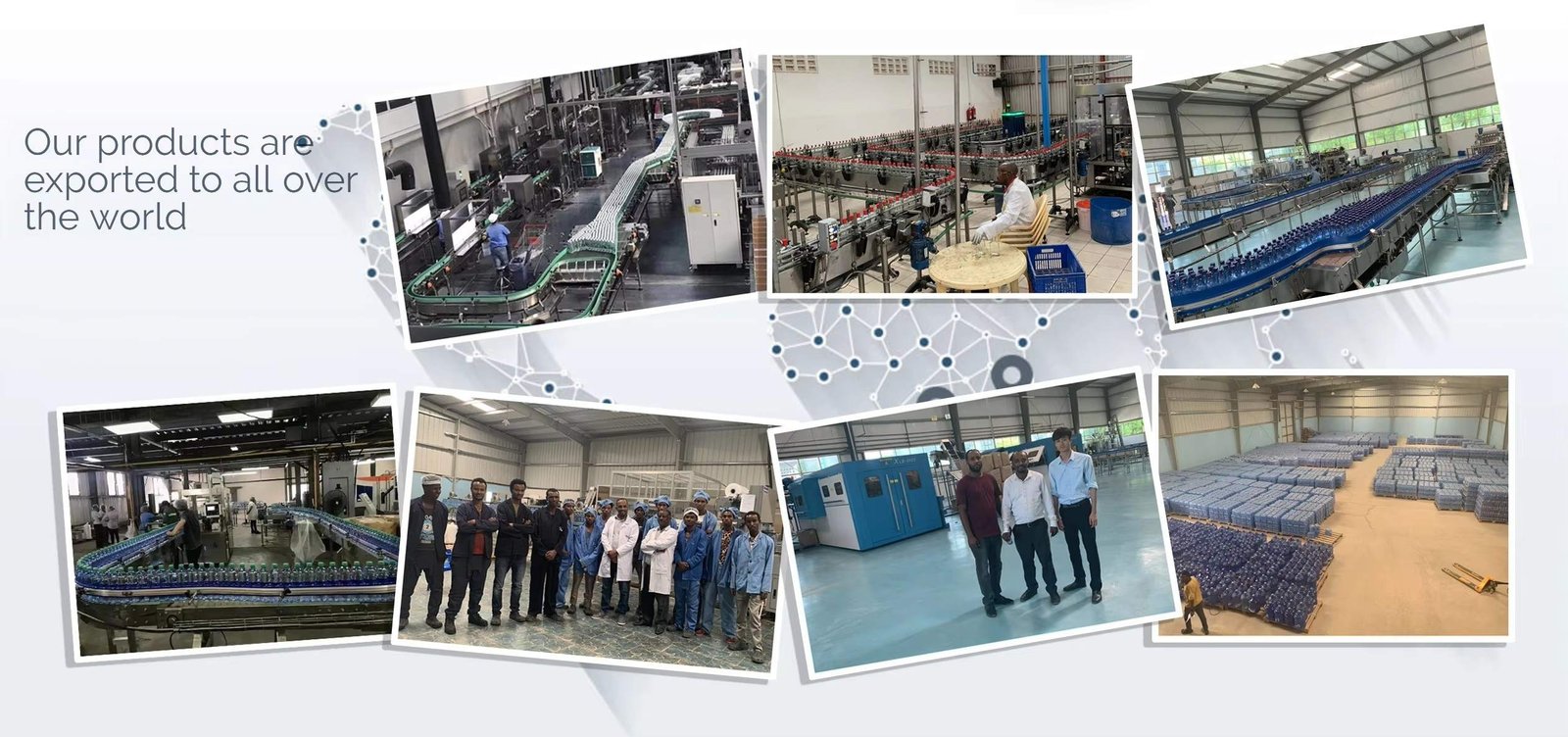
A new beverage producer needed a 6,000 BPH mineral water bottling line operational within 45 days. Source water showed elevated TDS (380 ppm), and frequent bottle jams on older pneumatic conveyors threatened planned contract packing milestones.
Engineered a 10T/h double-stage RO system paired with an automated SW-4C 4-cavity stretch blow molder, positive-pressure air conveyors, and an RFC 18-18-6 monobloc. Deployed senior commissioning technicians on-site for pipe tie-in, sensor calibration, and staff training.
OEE reached 92.4% during 72-hour continuous trial runs. Bottle defect and jam rate fell below 0.08%, fill-level consistency held at ±1.5mm, and clean-in-place cycles were validated within 48 minutes.
Frequently Asked Questions on Bottling Systems
What equipment is included in a complete bottling machine line?
A turnkey bottling line integrates raw water treatment (RO filtration, UV/ozone), automatic bottle blow molding, a 3-in-1 rinsing-filling-capping monobloc, bottle conveyor buffering, hot-melt or shrink sleeve labeling, laser date coding, and automated shrink-wrapping or carton packing.
What production capacities do Sailwin bottling machines support?
Our bottling systems cover capacities from 1,000 BPH for compact start-up plants, 3,000 to 8,000 BPH for standard water and juice factories, up to 16,000 BPH for high-speed continuous beverage lines.
What is the difference between a liquid filling machine and a bottling line?
A liquid filling machine (such as our 3-in-1 monobloc) is the central rotary unit that rinses, fills, and caps bottles. A complete bottling line covers the entire automated sequence from raw preforms and untreated water to packed and palletized cases ready for warehouse dispatch.
Can one bottling machine handle multiple bottle volumes and shapes?
Yes. Quick-change starwheels and neck-handling guides allow swift changeovers between 330ml, 500ml, 1.0L, and 1.5L PET bottles, typically completed in under 30 minutes with no frame alterations.
What utility connections are required for a commercial bottling plant?
A standard bottling plant requires 3-phase industrial power (380V/220V 50Hz/60Hz), a raw water supply matching target line capacity, low-pressure pneumatic air (8-10 bar) for pneumatic actuators, high-pressure air (30-40 bar) for bottle blow molding, and a chilled water loop (7°C-12°C).
Does Sailwin provide plant layout design and on-site commissioning?
Yes. Sailwin provides full factory layout drawings matching your building dimensions, utility piping blueprints, container and cap design validation, and dispatch of senior commissioning engineers for on-site installation, pipe connection, and operator training.
Direct Factory Engineering Support
Ready to Plan Your Bottling Facility?
Send your bottle drawings, target hourly output (BPH), and building dimensions. Sailwin engineers will return an equipment quotation, plant layout blueprint, and utility consumption estimate within 24 hours.