Updated: 2026 Engineering Standard · By Sailwin Technical Team
How to Choose a Liquid Filling Machine: Gravity vs. Isobaric vs. Hot Fill Systems Compared
Selecting the appropriate liquid filling machine is the single most critical engineering decision for any commercial beverage, packaged water, or edible oil plant. Specifying the wrong filling principle leads to chronic liquid foaming, volumetric under-filling, container neck collapse, or microbial contamination that ruins brand reputation.
In modern high-speed bottling, equipment selection is governed by product viscosity, carbonation levels, filling temperature, and bottle structural rigidity. A machine designed for still mineral water cannot bottle carbonated soft drinks (CSD) or hot-filled fruit juices without catastrophic failure.
This factory engineering guide compares the three dominant industrial filling systems—Gravity Filling, Isobaric Counter-Pressure Filling, and Hot Filling—paired with rotary 3-in-1 monoblocs on Sailwin liquid filling production lines.
Key Engineering Takeaways
- Product Viscosity & Gas Dictates Method: Still mineral water utilizes atmospheric gravity or low-vacuum filling; carbonated sodas require isobaric counter-pressure filling (2.5–4.5 bar CO₂); high-acid juices and teas demand hot filling (85°C–92°C).
- Rotary Monobloc Efficiency: 3-in-1 rotary monoblocs (Rinsing, Filling, Capping) eliminate air exposure between processes, running from 2,000 BPH up to 18,000+ BPH with footprint savings over 40%.
- Sanitary Metallurgy: Product-contact components must be certified SUS304 or pharmaceutical-grade SUS316L stainless steel equipped with Clean-in-Place (CIP) automated sanitizing circuits.
Planning a Beverage or Packaged Water Bottling Line?
Submit your target bottle volume, hourly output (BPH), and liquid specs for complete plant sizing and CAD layouts.
1. Comparing the 3 Core Industrial Liquid Filling Technologies
Filling Selection Rule: Never attempt carbonated filling without counter-pressure CO₂ equalization; never attempt preservative-free juice packaging without validated 85°C hot-fill sterilization.
Review the comprehensive comparison matrix below to determine the ideal filling architecture for your product line:
| Filling Technology | Operating Pressure | Operating Temperature | Target Beverages | Key Engineering Features |
|---|---|---|---|---|
| Gravity / Low Vacuum | Atmospheric (0 bar) | Ambient (15°C – 25°C) | Purified water, spring water, flavored still water | Mechanical spring valves; zero foaming; lowest maintenance cost. |
| Isobaric Counter-Pressure | Pressurized (2.5 – 5.0 bar CO₂) | Chilled (2°C – 6°C) | Carbonated soft drinks (CSD), beer, sparkling water | Pre-evacuation CO₂ purging; eliminates carbonation breakout during fill. |
| Hot Fill (Thermal) | Atmospheric / Micro-negative | Hot (85°C – 92°C) | Fruit juices, ready-to-drink tea, functional beverages | Requires heat-resistant PET bottles (crystallized neck); eliminates chemical preservatives. |
| Piston / Flow Meter | Hydraulic / Servo Piston | Ambient to Warm (20°C – 50°C) | Edible oil, sauces, viscous detergents, syrups | Positive displacement cylinders; drip-free suck-back nozzles. |
Sailwin Customer Case Study: Spring Water Factory Upgrades to Sailwin 8,000 BPH Monobloc Line
How a regional water bottler in Central Asia replaced separate semi-automatic machines with an integrated Sailwin 3-in-1 rotary line.
- Manual transfer between rinsing, filling, and capping caused frequent airborne bacterial contamination.
- Liquid level variations of ±8mm triggered customer quality complaints.
- Production was capped at 2,200 BPH with high labor payrolls (14 floor workers).
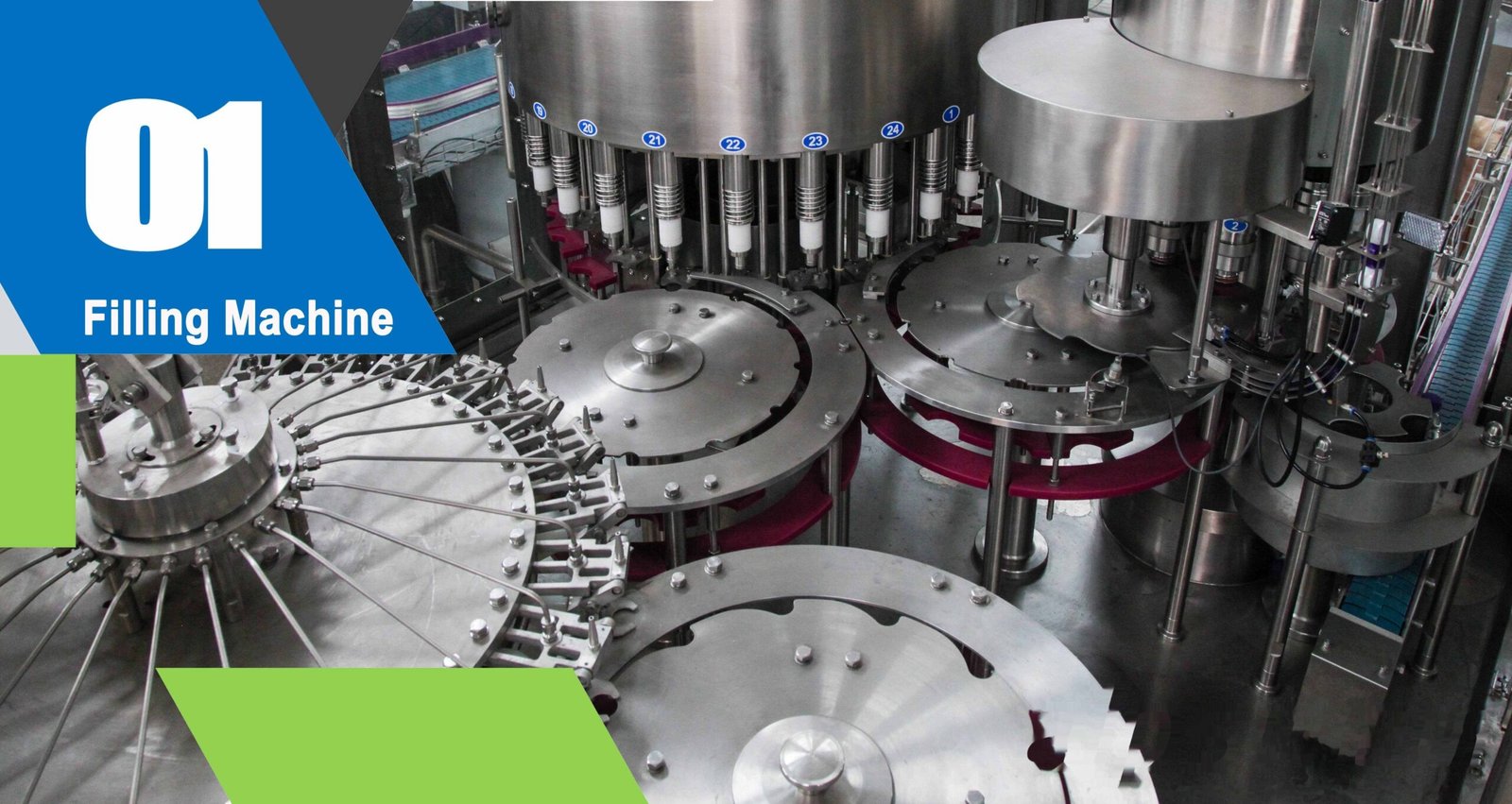
- Supplied Sailwin 24-24-8 Monobloc (24 rinsing clamps, 24 filling valves, 8 magnetic capping heads).
- Integrated HEPA Class 100 laminar flow air-filtration enclosure over the filling carousel.
- Configured magnetic torque capping heads for precise 1.8 N·m cap sealing.
- Production output expanded to 8,000 BPH with only 2 line operators.
- Liquid fill level accuracy tightened to ±1.5mm across all bottle formats.
- Zero microbial recalls across 18 months of continuous operation.
Data source: Sailwin Bottling FAT Acceptance Record & Client Quality Audit, 2026.
Frequently Asked Questions
SAILWIN MACHINERY · FACTORY-DIRECT PACKAGING SYSTEMS
Configure Your Custom Bottling Production Line
Sailwin supplies turnkey bottling systems from water treatment to shrink-packaging. Request your itemized plant layout and quote today.
Explore Integrated Packaging Machinery on Sailwin:
• PET Preform Injection Molding Machine – High-speed 140T to 550T systems for multi-cavity bottle preform lines.
• PET Water Bottle Blowing Machine – Linear automatic servo stretch blow molding equipment.
• Liquid Filling Machine & Bottling Line – 3-in-1 rotary monoblocs for drinking water and beverage factories.
• HDPE Extrusion Blow Molding Machine – Industrial continuous blow molding systems for jerrycans and drums.
• Need technical plant advice? Contact our engineering team for free turnkey consultation.