Updated: 2026 Manufacturing Guide · By Sailwin Engineering Team
Blow Molding vs. Injection Molding: Complete Comparison for Plastic Bottle & Container Manufacturers
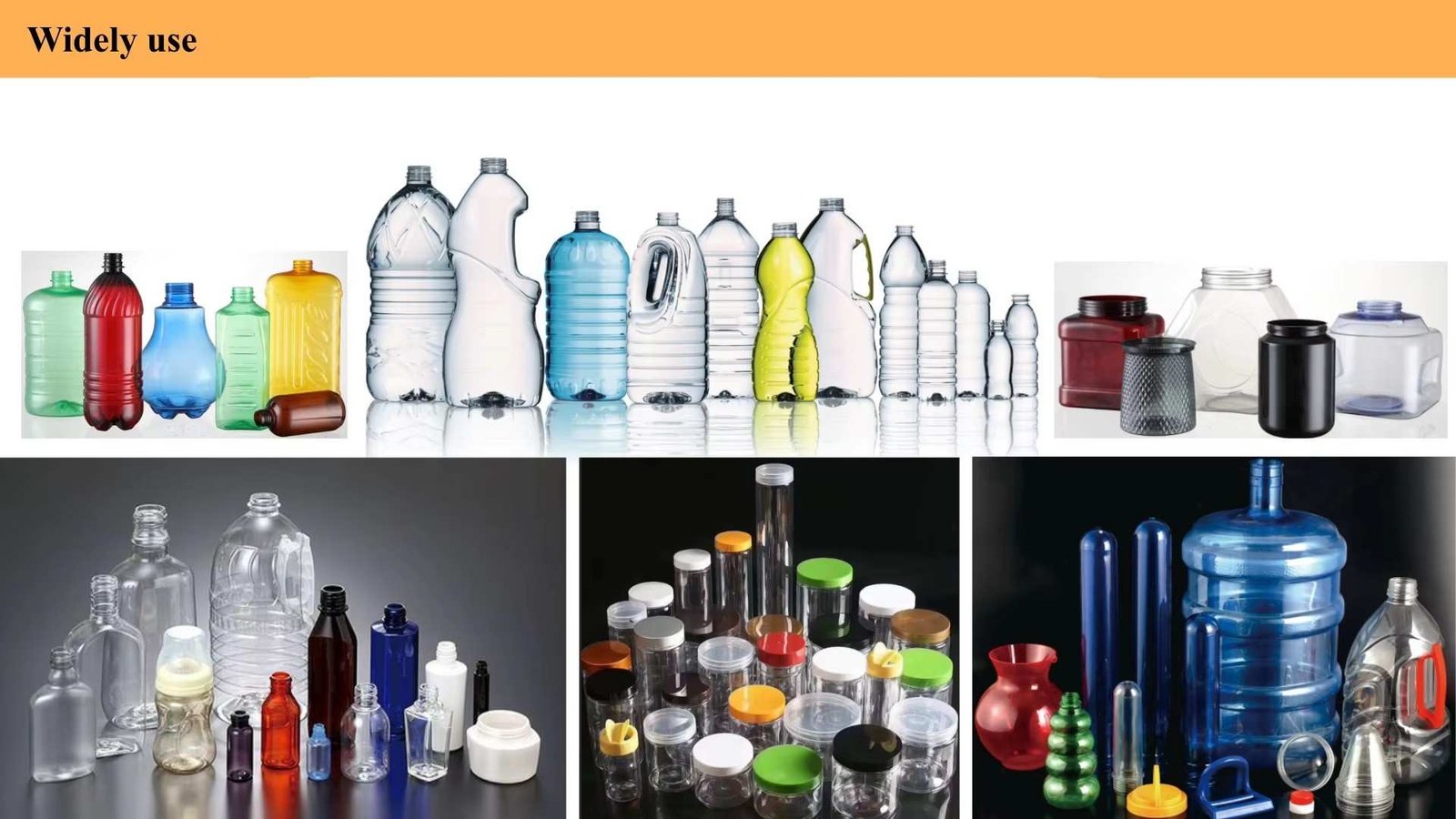
When planning a new plastic packaging facility or expanding factory production, packaging directors face a critical capital expenditure question: should you invest in blow molding or injection molding machinery? While both technologies transform raw polymer pellets into commercial plastic products, treating them as interchangeable alternatives leads to catastrophic capital misallocation. Ordering an injection press for a thin-walled bottle design results in prohibitive tooling costs and structural part failure; conversely, attempting to blow-mold high-precision threaded closures or thick-walled engineering components is physically impossible.
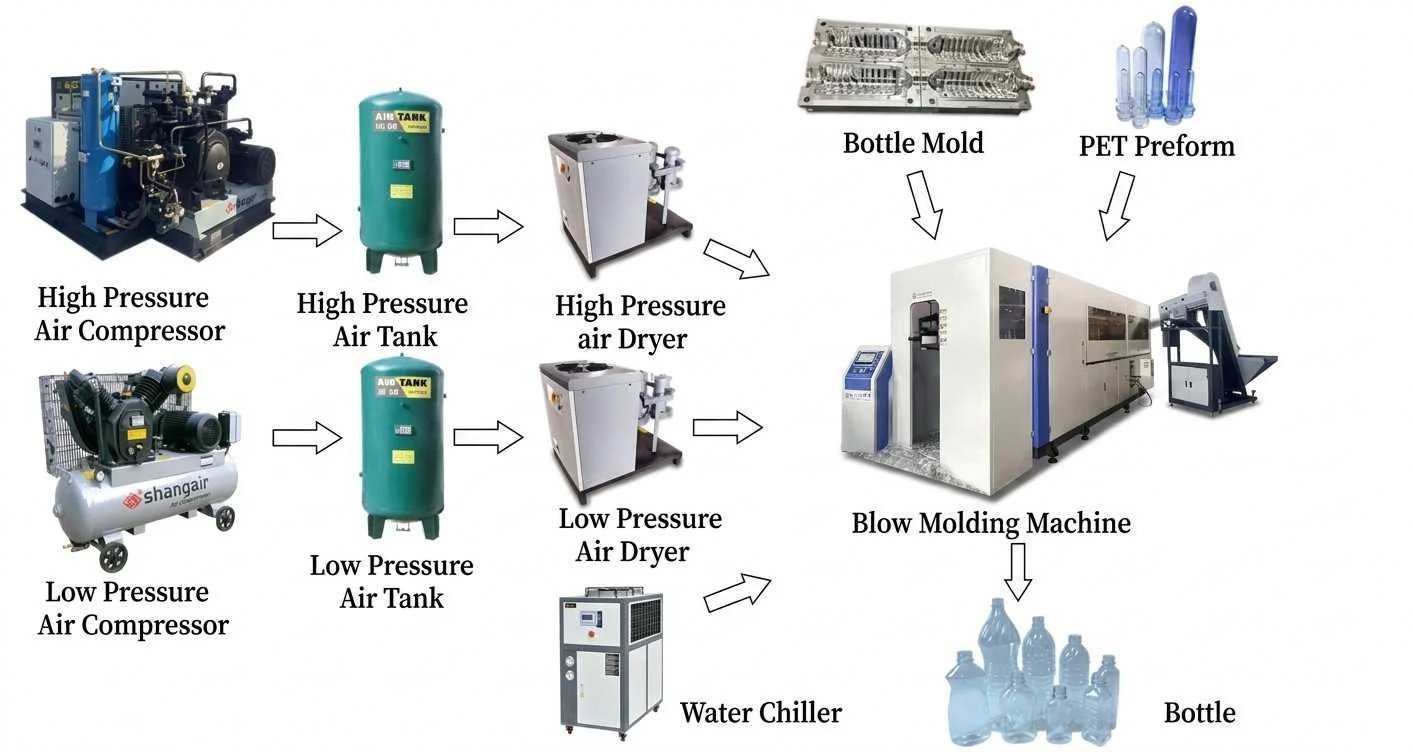
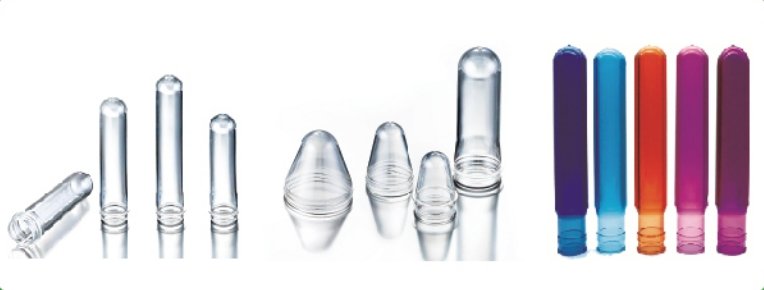
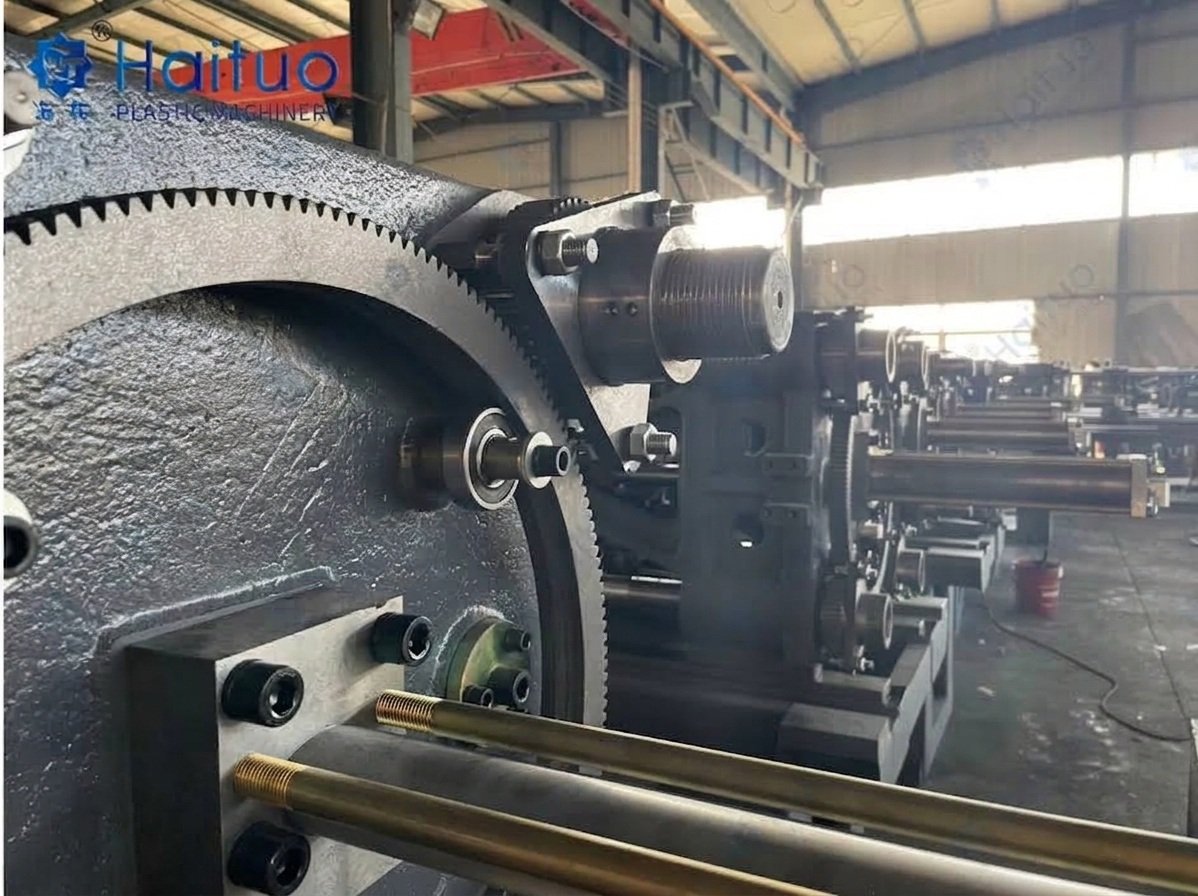
In modern high-speed packaging, the two processes are not opposing rivals—they are symbiotic manufacturing partners. A commercial mineral water or edible oil plant relies on high-tonnage PET preform injection molding machines to mold precision test-tube preforms and bottle caps, which are immediately transferred into automatic PET stretch blow molding machines to inflate into lightweight, crystal-clear bottles.
Drawing from over 15 years of factory machinery engineering and complete plant installations in 60+ countries, Sailwin delivers this definitive technical guide. We analyze process mechanics, tooling investment differentials, wall thickness control, hourly energy consumption, and capital payback periods to guide your plant to the optimal equipment investment.
Key Engineering Takeaways
- Hollow vs. Solid Geometry: Blow molding is exclusively engineered for hollow containers (bottles, jerrycans, drums) with uniform thin walls (0.2mm to 4.0mm). Injection molding is built for solid or complex open geometries (preforms, caps, buckets, crates, industrial housings) with strict dimensional tolerances.
- Tooling Capital Spread: Blow mold cavities operate under moderate air pressures (6 to 35 bar), utilizing cost-effective Aviation Aluminum 7075-T6 tooling. Injection molds withstand extreme hydraulic clamping pressures (100 to 200 MPa), requiring hardened tool steels (S136, 1.2344) and multi-cavity hot runner systems costing 2× to 4× more.
- Integrated Turnkey Synergy: In PET bottle manufacturing, success requires a synchronized two-step ecosystem: preform injection molding (cycle time 10–14s) feeds directly into reheat stretch blow molding (outputs up to 2,000 bottles/cavity/hour).
Planning a Bottling or Plastic Packaging Production Facility?
Send your container drawings (STP/DWG) for free factory layout sizing, equipment matching & turnkey quotation.
1. Process Mechanics: How Blow Molding and Injection Molding Differ
Process Rule of Thumb: “Injection molding uses high mechanical pressure to pack molten plastic into a tight cavity; blow molding uses low pneumatic pressure to inflate molten plastic against a hollow boundary.”
Injection Molding Mechanics: Granular resin (PET, PP, PE, ABS) is fed into a heated barrel where a reciprocating screw melts and homogenizes the polymer. Under immense hydraulic or servo injection pressure (typically 1,000 to 1,800 bar), the molten resin is forced through a nozzle, runner manifold, and tiny gate orifices into a closed, high-clamping steel mold cavity. The machine holds packing pressure to compensate for volumetric polymer shrinkage as the part solidifies.
Blow Molding Mechanics: Operates on hollow inflation principles and is categorized into two distinct industrial branches:
- Extrusion Blow Molding (EBM): On extrusion blow molding machines, an extruder continuously pumps a tubular molten parison vertically downward. Two mold halves clamp shut, pinching the bottom tail, and a blow pin injects 6 to 10 bar compressed air to expand the parison against chilled cavity walls. Ideal for HDPE, PP, and PVC bottles with integral handles (0.5L to 200L drums).
- Stretch Blow Molding (SBM): Reheats pre-molded solid PET preforms to rubbery thermoelastic temperatures (95°C–115°C). Inside the blow mold, a mechanical stretch rod extends longitudinally while 30 to 40 bar high-pressure air inflates the preform radially. This biaxial orientation dramatically boosts container tensile strength and barrier clarity.
| Technical Dimension | Blow Molding (EBM / SBM) | Injection Molding (IMM) |
|---|---|---|
| Primary Part Geometry | Hollow bodies, bottles, Jerrycans, drums, fuel tanks. | Solid parts, preforms, caps, crates, complex fittings. |
| Tooling Cavity Pressure | Low to Medium (6 – 35 bar internal air). | Extremely High (600 – 1,800 bar plastic melt). |
| Mold Material Standard | Aviation Aluminum 7075-T6, CuBe2, P20 steel. | Hardened stainless steel (S136, H13, 2344) 48–54 HRC. |
| Relative Tooling Cost | Lower ($2,500 – $15,000 per set). | Higher ($10,000 – $80,000+ for multi-cavity hot runner). |
| Dimensional Tolerance | ±0.3mm to ±1.0mm (Governed by air inflation & cooling). | ±0.02mm to ±0.08mm (Extremely tight thread tolerance). |
2. Capital Expenditure (CapEx) & Tooling Cost Comparison
Financial Decision Matrix: “Blow molds offer lower tooling barriers and faster SKU redesigns; injection molding demands higher upfront tooling investment but delivers unbeatable precision for closures and high-cavity preform lines.”
Why Blow Molds Cost Less: Because stretch blow molds experience internal cavity pressures of only 30–35 bar (compared to 1,200+ bar in injection molds), they do not require bulky forged steel base plates or intricate valve-gate manifolds. A precision 4-cavity water bottle mold machined from heat-treated Aircraft Aluminum 7075-T6 typically costs between $3,500 and $7,500 USD at Sailwin, allowing packaging converters to launch private-label bottle shapes with minimal risk.
Why Preform Injection Tooling is High-Capital: A 32-cavity or 48-cavity valve-gate PET preform mold is an extreme masterpiece of precision toolmaking. It incorporates individual needle-valve hot runner drops, independent cavity-lock slide bushings, and mirror-finished S136 stainless cores polished to Ra < 0.05μm. Such tooling ranges from $18,000 to over $45,000 USD, but delivers multimillion-cycle lifespans and sub-12 second cycle speeds.
3. The Turnkey Factory Synergy: How Leading Plants Combine Both
In large-scale commercial beverage, cooking oil, and household chemical packaging, successful factory owners do not choose between blow molding and injection molding—they integrate both under single-source engineering responsibility:
Complete Two-Step Bottling Architecture:
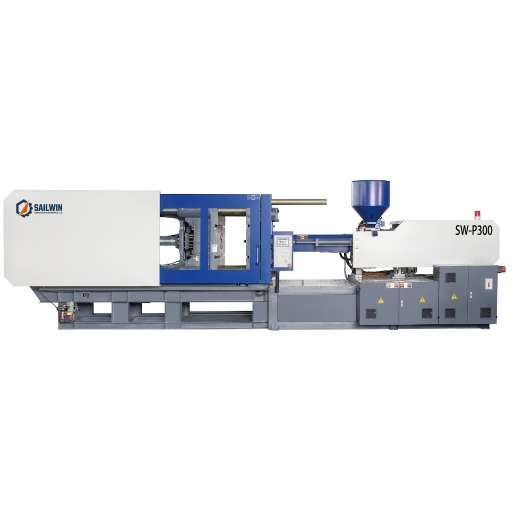
Step 1 (Injection Molding): Raw PET resin and masterbatch colorants are processed on a Sailwin SW-P series injection molding machine, producing high-clarity preforms with standardized PCO1881 / 29/25 neck finishes at 10–13s cycle times.
Step 2 (Stretch Blow Molding): Preforms feed through automated elevators into a Sailwin linear stretch blow molding machine, producing finished 500ml or 1.5L bottles at outputs up to 8,000–16,000 BPH.
Step 3 (Filling & Capping): Empty bottles flow via sanitary air conveyors directly into a monobloc liquid filling and capping machine, eliminating storage contamination and freight costs.
Sailwin Turnkey Case Study: Beverage Producer Replaces Outsourced Bottles with In-House Line
How a commercial juice and tea bottler in the Middle East integrated in-house PET preform injection molding with high-speed stretch blow molding, slashing empty bottle logistical costs.
- Purchased empty PET bottles from distant third-party molders with high trucking freight.
- Frequent bottle neck ovalization caused sealing leaks on hot-fill capping carousels.
- Warehouse space overwhelmed by storing bulky empty hollow containers.
- Supplied 1× Sailwin SW-P228 (228T) PET injection machine with 24-cavity hot runner mold.
- Supplied 1× 4-cavity linear automatic stretch blow molder paired directly with filling line.
- Engineered crystallized heat-resistant neck finish for 88°C hot-fill juice integrity.
- Per-Bottle Cost Cut: Unit packaging cost dropped by 34.2%.
- Zero Storage Bottlenecks: Raw resin pellets take 92% less storage space than bottles.
- Payback Period: Complete machinery capital expenditure recouped in 9.5 months.
Data source: Sailwin Customer Commissioning Report and Production Audit, 2026.
Frequently Asked Questions: Blow Molding vs. Injection Molding
SAILWIN MACHINERY · COMPLETE PACKAGING LINES
Ready to Configure Your Bottle Blowing & Injection Production Line?
Share your container target output, bottle drawings, or raw resin requirements. Sailwin’s senior project engineers will deliver a customized factory CAD layout, machinery ROI calculation, and transparent pricing within 24 hours.
Explore Integrated Packaging Solutions on Sailwin:
• PET Preform Injection Molding Machine – High-speed 140T to 550T systems for multi-cavity bottle preform lines.
• PET Water Bottle Blowing Machine – 1,000 to 8,000 BPH linear servo bottle blow molding equipment.
• HDPE Extrusion Blow Molding Machine – Continuous extrusion systems for jerrycans, drums and chemical bottles.
• Liquid Filling Machine & Bottling Lines – 3-in-1 rotary rinsing, filling and capping monobloc machines.
• Need plant sizing advice? Contact our engineering desk for free factory CAD calculations.