Updated: 2026 Beverage Thermal Guide · By Sailwin Hot-Fill Division
Heat-Set PET Blow Molding for Hot-Fill Juices and Teas (85°C-92°C)
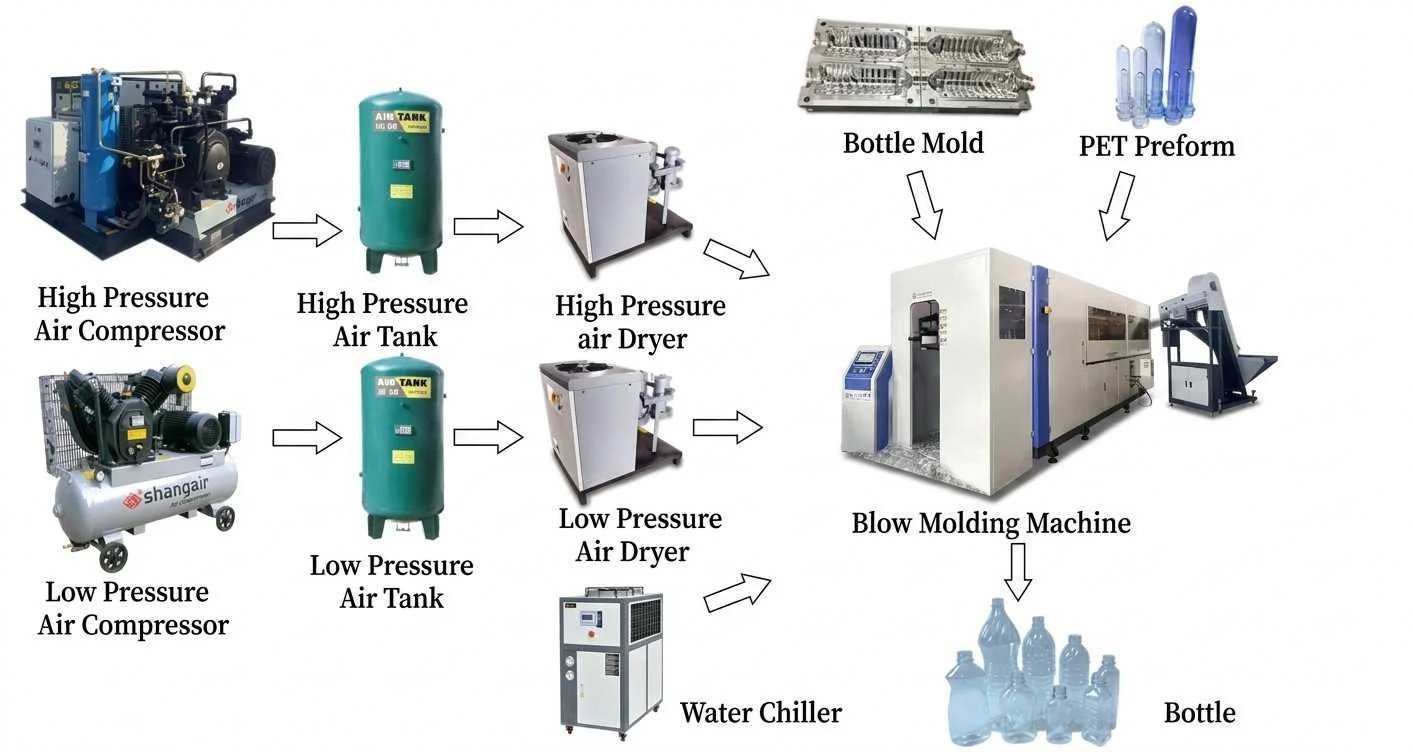
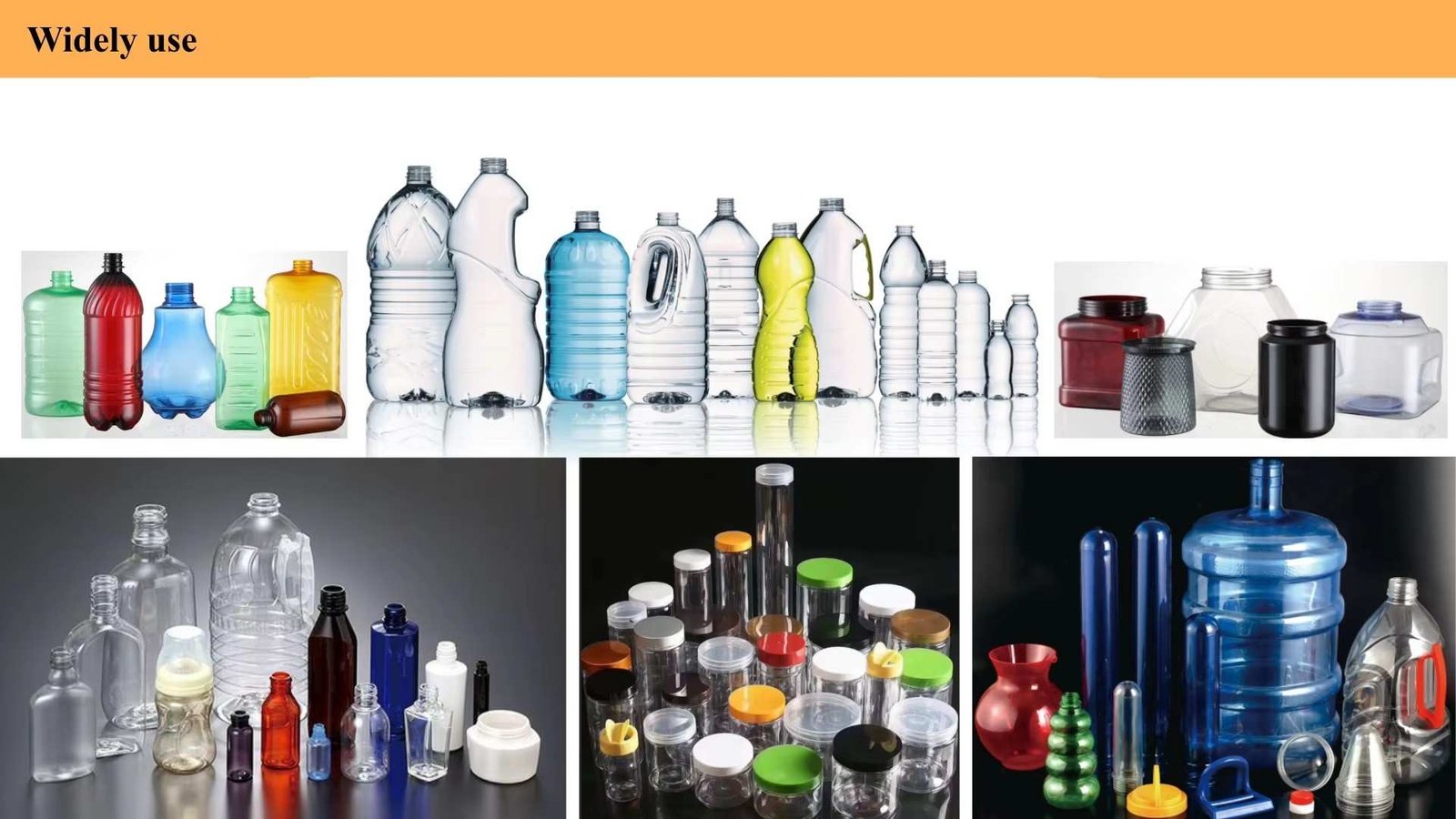
Pasteurizing and bottling high-acid ready-to-drink (RTD) teas, fruit juices, and isotonic sports drinks without preservatives requires filling at temperatures between 85°C and 92°C. However, standard PET water bottles have a glass transition temperature of only 78°C; filling them with hot liquid causes immediate thermal collapse, shrinking the container by up to 30% and causing severe cap leakage. Manufacturing hot-fill containers demands specialized heat set pet blow molding machinery capable of inducing secondary thermal crystallization and forming vacuum-absorbing panel geometries.
Sailwin engineers and manufactures advanced heat-set stretch blow molders for hot-fill beverage plants worldwide. Featuring dual-medium mold temperature control (circulating 135°C thermal oil through cavity walls and 10°C chilled water through neck rings), internal cooling air flushes, and crystallized preform compatibility, our machines produce rigid hot-fill bottles with zero shrinkage.
This technical engineering manual explores the thermal physics of PET crystallization, details vacuum absorption panel design, and outlines machine configurations for 85°C-92°C hot filling lines.
Key Takeaways
- 130°C-140°C Mold Heating Induces Crystallinity: Heating cavity blocks with circulating thermal oil raises PET crystallinity to 32%-35%, elevating thermal deflection resistance above 92°C.
- Vacuum Absorption Panels Prevent Distortion: Integrated vertical vacuum panels flex inward elastically as liquid cools, absorbing -0.4 bar internal pressure without ovalization.
- Internal Air Flush Cooling: Blown bottles undergo a secondary cold-air purging stroke inside the hot mold to freeze internal bottle skin before mold opening.
Designing a hot-fill juice or tea bottle?
Send your bottle drawings for a complete thermal shrinkage simulation and heat-set mold design proposal.
1. Heat-Set Thermal Process: Secondary Crystallization Mechanics
In standard blow molding, PET orientation produces stress-induced strain hardening. In heat-set molding, hot mold walls relieve residual mechanical stress while growing spherulitic micro-crystals that lock the bottle dimensions permanently.
Sailwin heat-set blowers utilize an external thermal oil mold temperature controller (MTC) delivering oil at 135°C to 145°C through deep labyrinth channels in the mold cavities. Preforms are heated to 115°C, stretched by servo rods, and inflated under 34-bar pressure against the hot mold. The bottle dwells against the hot steel for 1.8 seconds, undergoing thermal relaxation. Before mold opening, high-pressure cold air purges through the stretch rod to chill the internal bottle surface, preventing collapse during extraction.
Review complete machinery specifications on our PET blow molding machine catalog, or review complete auxiliary costs in our blow molding machine cost guide.
Need custom heat-set molds for hot-fill bottling?
Sailwin delivers thermal oil heated molds with precision vacuum panel engineering and rapid dispatch.
2. Sailwin Case Study: Juice Bottler Eliminates 88°C Hot-Fill Shrinkage
An RTD iced tea producer in Vietnam eliminated 18% bottle shrinkage by replacing standard blow molds with a Sailwin 4-cavity heat-set blowing system running at 88°C fill temperatures.
- Client: Commercial beverage brand producing 500ml pasteurized herbal teas filled at 88°C.
- Problem: Tried filling bottles from standard blowers; containers shrank 18% in volume, wrinkling labels and leaking caps.
- Production Penalty: Factory was forced to cool juice to 65°C and add chemical benzoate preservatives, hurting brand image.
- Turnkey Equipment: Installed Sailwin SW-4A-HS 4-cavity heat-set stretch blow molder with thermal oil MTC unit.
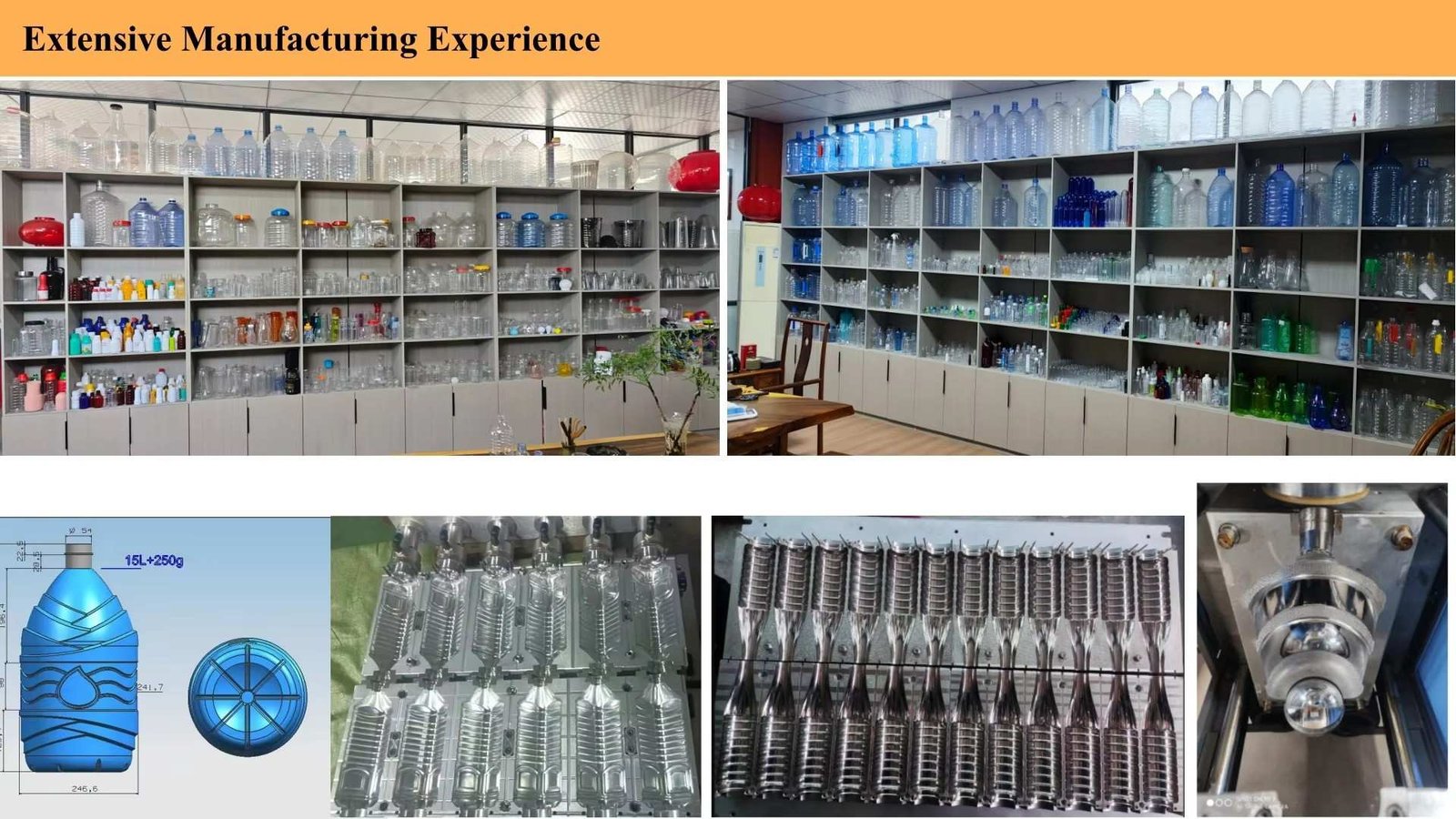
- Mold Engineering: Supplied CNC-machined S136 molds with 6 vacuum absorption panels and 138°C oil heating.
- Dual Cooling Control: Configured 10°C chilled water circuits through 38mm neck blocks and mold base plates.
- Preservative-Free Success: Successfully hot-filled at 88°C with zero shrinkage (volume variance < 0.5%).
- Clean Label Transition: Removed chemical preservatives, relaunching as 100% natural organic tea with 12-month shelf life.
- Throughput: Maintained 3,800 BPH continuous output with zero vacuum distortion or panel collapse.
Data source: Sailwin Customer Field Report #VNM-2025-07. Equipment: SW-4A-HS Heat-Set Blow Molding System.
Planning an RTD tea, juice, or hot-fill beverage line?
Connect directly with Sailwin’s hot-fill engineering specialists on WhatsApp for turnkey line quotes.
3. Frequently Asked Questions: Heat-Set Hot-Fill PET Blow Molding
Have questions on hot-fill preform crystallization or mold oil heating?
Connect directly with Sailwin’s hot-fill technical team on WhatsApp for instant engineering reviews.
4. Summary: Enabling Natural Preservative-Free Packaging
Heat-set PET blow molding allows beverage producers to package pasteurized, preservative-free teas and juices with crystal-clear retail presentation. Sailwin machinery delivers the dual-temperature precision required to achieve zero thermal container shrinkage.
- Heat mold cavities to 135°C to achieve 35% polymer crystallinity for 90°C hot-fill stability.
- Engineer vertical vacuum absorption panels to absorb internal cooling vacuum pressure.
- Partner with Sailwin for turnkey heat-set blow molders, molds, thermal oil units, and complete packaging engineering.
SAILWIN MACHINERY · HOT-FILL EXCELLENCE
Ready to Launch Hot-Fill Juice or Tea Packaging?
Send us your hot-fill beverage specifications and required fill temperature. Our technical team will prepare a customized heat-set blow molding proposal and layout drawing within 24 hours.
Explore Complete PET Packaging Solutions:
• PET blow molding machine – Comprehensive catalogue of linear and rotary stretch blowers.
• pet blow molding machine cost guide – Complete 2026 pricing and auxiliary breakdown.
• contact our engineering team – Request customized machinery blueprints and quotations.
• Need dedicated technical advice? Contact our machinery specialists for a 1-on-1 equipment evaluation.