Updated: 2026 Efficiency Guide · By Sailwin Energy Engineering
Air Recovery Systems: How to Cut High-Pressure Air Energy Costs by 30%
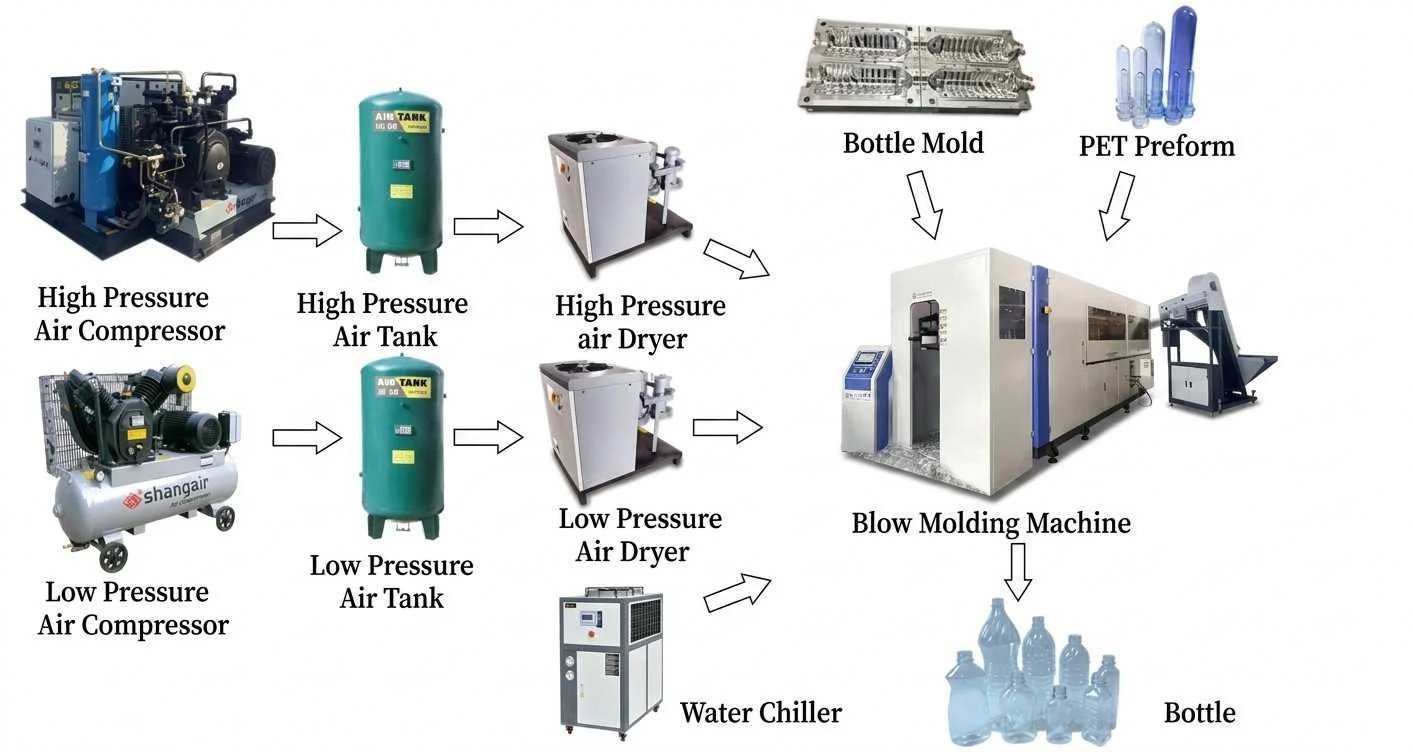
In bottle manufacturing, compressing ambient air up to 35 bar (500 psi) is the single largest consumer of electrical energy on the factory floor, accounting for over 55% of the bottling plant’s total power bill. In traditional blowing systems, once a bottle is inflated, this high-pressure air is blasted directly into the atmosphere through noisy exhaust silencers—literally throwing thousands of dollars in compressed energy out the window every month. Equipping your line with an air recovery blow molding machine captures this expanding air, recycling it into low-pressure pneumatic power.
Sailwin integrates dual-stage air recovery valve manifolds as a standard option across all our linear and rotary automatic blowers. By harvesting the first 40% of exhaust volume, our systems eliminate the need for a separate low-pressure shop air compressor, lower factory decibel noise, and reduce compressor runtime by hundreds of hours each year.
This technical efficiency guide details the thermodynamic calculations of air recovery, explains dual-stage exhaust valve sequencing, and calculates real-world kWh utility savings for high-volume bottling plants.
Key Takeaways
- 30% High-Pressure Air Recycled: Capturing exhaust air down to 10 bar recovers over one-third of the total pneumatic energy previously wasted to the atmosphere.
- Eliminates Low-Pressure Compressors: The recovered 8-12 bar air completely powers machine mold clamping, preform infeed cylinders, and air conveyors without running a dedicated 8-bar utility compressor.
- Rapid 5-Month Investment Payback: Saves $8,000 to $15,000 annually in electricity bills on a standard 6,000 BPH water line, fully amortizing the valve kit within half a year.
Want to calculate how much electricity air recovery can save in your plant?
Sailwin engineers will model your compressor size and bottle output for a custom energy savings report.
1. Thermodynamic Principles: Dual-Stage Exhaust Sequencing
Air recovery relies on thermodynamic differential pressure. When bottle blow completes, the bottle contains 32-bar air while the recovery storage tank sits at 8 to 10 bar. Opening the recovery valve allows spontaneous high-speed equalization.
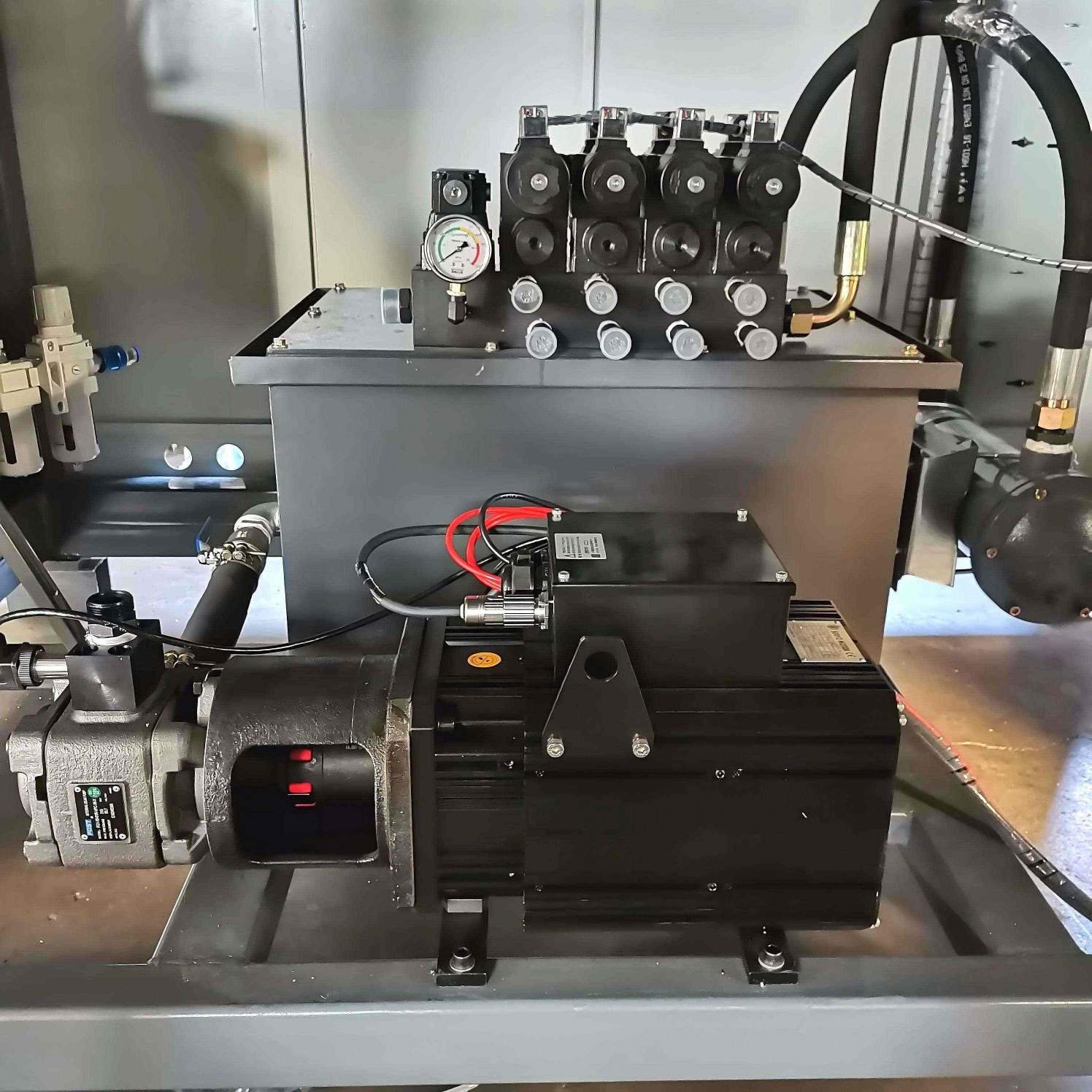
Sailwin’s proprietary valve block operates in two automated micro-second phases:
- Phase 1 – Recovery Divert (0 to 120 ms): The primary exhaust valve fires, dumping air from 32 bar down to 10 bar directly into the recovery receiver tank.
- Phase 2 – Final Exhaust (120 to 200 ms): Once bottle pressure approaches 10 bar, the recovery valve shuts and the secondary atmospheric valve opens, venting the remaining low-pressure air to allow mold opening.
Check out our high-efficiency machinery line on our PET blow molding machine catalog, or review compressor sizing in our compressor engineering guide.
Need an air recovery retrofit kit for your existing blowers?
Sailwin delivers universal plug-and-play air recovery valve manifolds compatible with linear blowers.
2. Sailwin Case Study: Beverage Bottler Saves $14,200 in Annual Power Bills
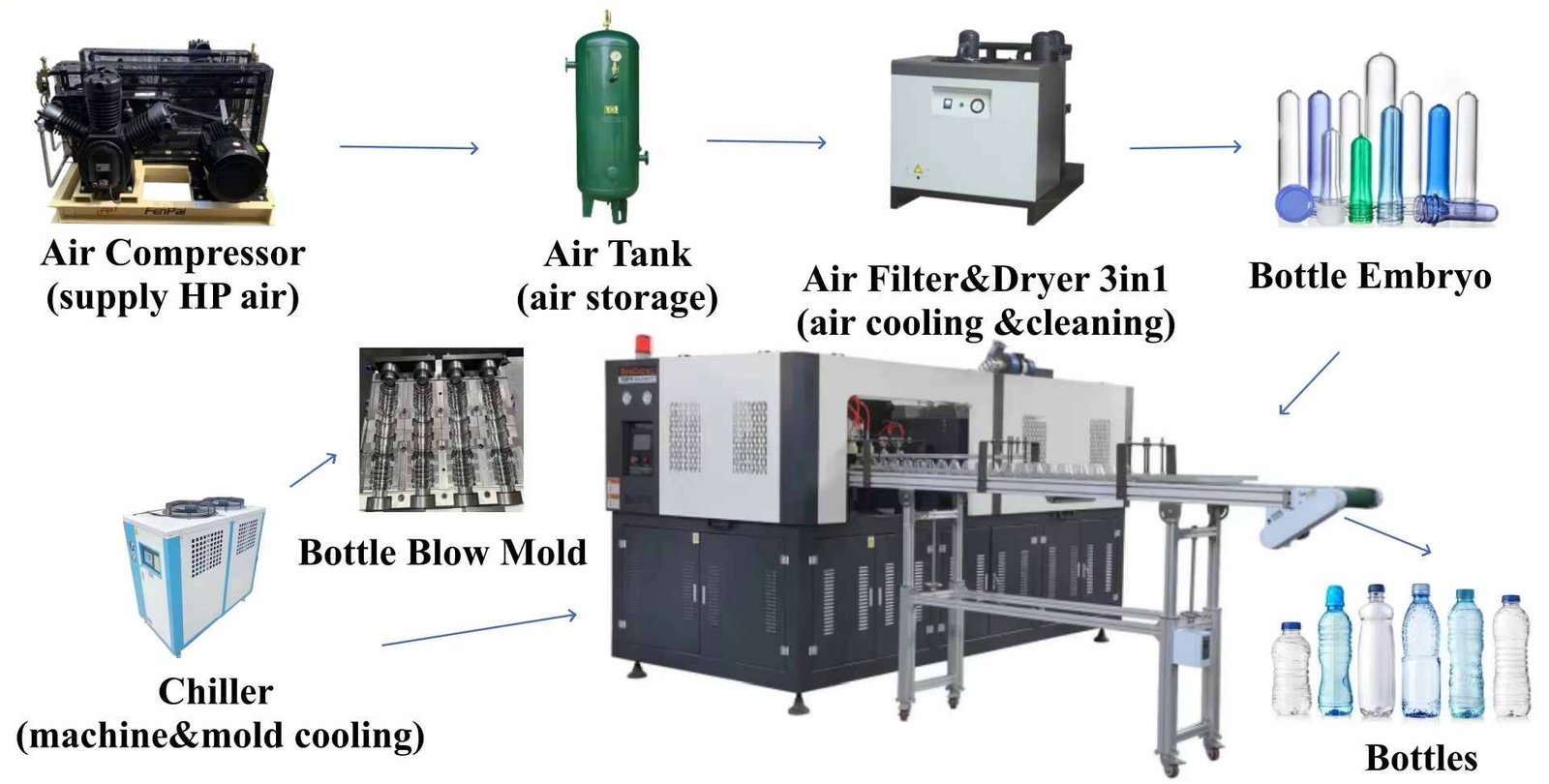
A water packaging facility in Saudi Arabia integrated Sailwin air recovery systems across two 6-cavity linear blowers, shutting down their 15kW low-pressure utility compressor completely.
- Client: Bottling plant running two 6-cavity blowers producing 12,000 bottles/hour across two 10-hour shifts.
- Problem: Ran a 55kW high-pressure 30-bar compressor alongside a 15kW low-pressure 8-bar utility compressor.
- Energy Cost: Monthly power bills exceeded $8,500 with high summer utility peak surcharges.
- Retrofit Deployment: Installed Sailwin dual-stage air recovery valve manifolds and a 1.0m³ recovery buffer tank.
- Pneumatic Integration: Directed 10-bar recovered air into machine mold toggle cylinders and air conveyors.
- Equipment Shutdown: Decommissioned the 15kW low-pressure compressor completely, eliminating its power draw.
- Power Savings: Total connected compressor power dropped by 15kW continuously, saving $14,200 in annual electricity.
- Noise Reduction: Operating noise in the blow molding room dropped by 7.5 dB(A), improving worker ergonomics.
- Investment Payback: Complete air recovery retrofit capitalization fully recovered within 4.8 months.
Data source: Sailwin Customer Field Log #SAU-2025-08. Equipment: SW-ARV-12 Dual-Stage Air Recovery Retrofit Skid.
Ready to stop wasting high-pressure compressed air?
Chat directly with Sailwin’s energy recovery specialists on WhatsApp for a custom line savings estimate.
3. Frequently Asked Questions: Air Recovery Systems
Have questions on integrating air recovery into your bottling line?
Connect directly with Sailwin’s energy recovery specialists on WhatsApp for instant technical advice.
4. Summary: Maximizing Energy Efficiency in Blow Molding
Air recovery systems represent one of the highest ROI energy conservation technologies in industrial blow molding, slashing compressor power costs while dampening plant floor noise. Sailwin provides integrated and retrofit air recovery solutions worldwide.
- Capture exhaust air down to 10 bar to recycle over 30% of total pneumatic energy.
- Eliminate secondary 8-bar compressors by powering low-pressure actuators with recovered air.
- Partner with Sailwin for turnkey blow molders, compressors, energy recovery skids, and complete engineering.
SAILWIN MACHINERY · ENERGY RECOVERY EXCELLENCE
Ready to Cut Your High-Pressure Air Energy Costs?
Send us your current compressor specifications and bottle production volumes. Our technical team will prepare a custom air recovery payback analysis and equipment quote within 24 hours.
Explore Complete PET Packaging Solutions:
• PET blow molding machine – Comprehensive catalogue of linear and rotary stretch blowers.
• pet blow molding machine cost guide – Complete 2026 pricing and auxiliary breakdown.
• air compressor for blow molding machine – High-pressure 30-40 bar pneumatic sizing.
• contact our engineering team – Request customized machinery blueprints and quotations.
• Need dedicated technical advice? Contact our machinery specialists for a 1-on-1 equipment evaluation.