Updated: 2026 Engineering Standard · By Sailwin Technical Team
Bottle Capping Machines: Types, Features & Magnetic Torque Technology Compared
In commercial bottling operations, a defect in the capping station causes immediate catastrophic consequences: crooked caps allow beverage oxidation and microbial spoilage, overtightened caps strip plastic neck threads and cause consumer opening injuries, and loose caps leak during ocean container transport.
Choosing the correct capping machine architecture depends on your container closure type: plastic screw caps (PCO1881 / 29/25), ROPP aluminum roll-on pilfer-proof closures, 5-gallon snap-on caps, or trigger spray pumps.
This engineering handbook examines the major types of capping machines and their features, comparing rotary magnetic clutch heads, pneumatic chucks, and cap feeding elevators integrated across Sailwin bottling lines.
Key Engineering Takeaways
- Magnetic Torque Consistency: Modern rotary capping carousels employ non-contact permanent magnetic clutch heads that slip automatically when reaching target torque (1.5–2.2 N·m), eliminating cap thread stripping.
- Rotary vs. Inline Linear: Linear cappers suit small multi-SKU lines (<3,000 BPH); continuous rotary multi-head capping carousels are essential for high-speed bottling (4,000 to 24,000 BPH) without bottle sloshing.
- Cap Sorter Synchronization: Rotary centrifugal cap unscramblers or cascade belt elevators prevent cap damage and orient closures with 99.9% directional accuracy before chute delivery.
Having Leaking Caps or Thread Stripping Issues?
Send photos and technical drawings of your cap and bottle finish for custom capping chuck sizing and torque testing.
1. Comparison of Major Bottle Capping Machine Types and Mechanisms
Capping Engineering Rule: Friction disc cappers wear out and dust cap finishes; magnetic clutch chucks deliver constant torque regardless of line speed fluctuations.
Review the primary capping machine classifications across commercial bottling industries:
| Capping Machine Type | Closure Compatibility | Speed Range (BPH) | Sealing Mechanism | Target Industries |
|---|---|---|---|---|
| Rotary Magnetic Screw Capper | Plastic threaded caps (PCO1881, 29/25, 38mm) | 3,000 – 24,000 BPH | Pick-and-place magnetic clutch chucks with calibrated torque | Bottled water, carbonated soft drinks, edible oil. |
| ROPP Aluminum Roll-On Capper | Unthreaded aluminum caps with pilfer-proof band | 2,000 – 18,000 BPH | Thread-forming and skirt-tucking steel rollers under top load | Wine, spirits, pharmaceutical syrups, functional beverages. |
| Snap-On Push Capper | Snap-on tamper-evident closures, 55mm jug caps | 600 – 6,000 BPH | Angled belt press or pneumatic downward pressing cylinder | 5-gallon water jugs, dairy milk jugs, condiment tubs. |
| Inline Spindle Capper | Multi-format plastic trigger sprays, lotion pumps | 1,500 – 4,000 BPH | Opposing spinning rubber discs torquing caps continuously | Household chemicals, cosmetics, shampoo bottles. |
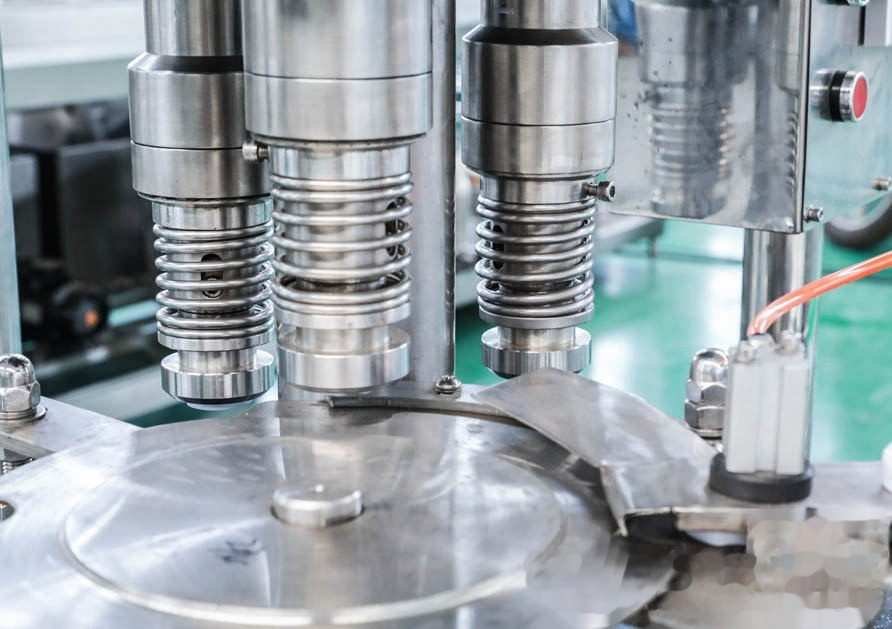
Sailwin Customer Case Study: Cooking Oil Factory Eliminates 1.8% Transport Leaks with Magnetic Capping
How a commercial edible oil bottler upgraded from a mechanical friction capper to Sailwin magnetic rotary capping technology.
- Mechanical friction disc capper had erratic torque (±0.8 N·m), causing 1.8% container leaks in corrugated shipping cartons.
- Scuffed, scratched oil bottle caps triggered visual rejections on supermarket shelves.
- High rubber wheel wear required replacement every 14 days.
- Installed Sailwin 6-head rotary magnetic capping carousel integrated into existing filling line.
- Configured stainless steel pick-and-place chucks tailored to 38mm tamper-evident caps.
- Standardized static holding torque at 2.2 N·m with magnetic slip-action.
- Container shipping leaks dropped to zero across 500,000 exported cartons.
- Cap cosmetic scratches completely eliminated.
- Capping head maintenance intervals extended to over 12 months.
Data source: Sailwin Client Production Audit & Packaging Line QA Verification, 2026.
Frequently Asked Questions
SAILWIN MACHINERY · FACTORY-DIRECT PACKAGING SYSTEMS
Upgrade Your Capping Precision with Sailwin Technology
Sailwin manufactures high-speed rotary capping carousels with precision magnetic torque control. Request technical layout and quote today.
Explore Integrated Packaging Machinery on Sailwin:
• PET Preform Injection Molding Machine – High-speed 140T to 550T systems for multi-cavity bottle preform lines.
• PET Water Bottle Blowing Machine – Linear automatic servo stretch blow molding equipment.
• Liquid Filling Machine & Bottling Line – 3-in-1 rotary monoblocs for drinking water and beverage factories.
• HDPE Extrusion Blow Molding Machine – Industrial continuous blow molding systems for jerrycans and drums.
• Need technical plant advice? Contact our engineering team for free turnkey consultation.