Updated: 2026 Engineering Guide · By Sailwin Mechanical Engineering Group
Electric vs Hydraulic Mold Clamping Tonnage in PET Blow Molding
In two-stage PET stretch blow molding, the mold clamping station must withstand tremendous pneumatic forces. When 35 to 40 bar of high-pressure compressed air inflates multiple preforms simultaneously, hundreds of kilonewtons of opening force attempt to pry the mold platens apart. If clamping tonnage is insufficient or platen stiffness flexes by even 0.06mm, visible parting line flash forms along bottle sidewalls, ruining aesthetic appeal and compromising cap sealing geometry. Today, transitioning to electric clamping blow molding is redefining energy efficiency and cleanroom standards.
Sailwin engineers precision servo toggle clamping units across our linear automatic blow molders. By replacing noisy, oil-leaking hydraulic power packs with synchronized electric servo motors and mechanical over-center toggle linkages, our machinery achieves zero parting line flash while cutting machine power consumption by up to 40%.
This technical manual provides exact engineering equations for calculating mold opening forces, compares electric servo toggle kinematics against hydraulic cylinders, and analyzes real-world energy payback data.
Key Takeaways
- Mold Opening Force Formula: Clamping force must exceed Projected Bottle Area × 40 bar × Number of Cavities × 1.25 safety factor to ensure zero platen breathing.
- Mechanical Over-Center Locking: Electric toggle mechanisms lock mechanically at full stroke, resisting peak 40-bar blowing pressure with near-zero servo motor electrical draw.
- 35% to 45% Energy Savings: Eliminating hydraulic oil pumps, oil chillers, and proportional valves slashes operational kilowatt-hour expenses.
Calculating clamping tonnage requirements for multi-cavity blowing?
Send us your bottle dimensions and target cavity counts for an instant clamping force calculation.
1. Engineering Formula: Calculating Mold Opening Force
Selecting the correct clamping tonnage begins with calculating the maximum hydraulic separating force generated during the high-pressure blowing stage. The mathematical equation is:
Where:
• A_proj = Maximum projected container profile area (Diameter × Height in cm²)
• P_blow = Peak blowing air pressure (typically 35 to 40 bar)
• N_cavities = Number of active mold cavities
• K_safety = Dynamic safety coefficient (recommended 1.25 to 1.30)
The table below demonstrates required clamping tonnage calculations across standard linear PET blow molder configurations:
| Bottle Format | Cavities | Projected Area / Cavity | Blowing Pressure | Required Clamping Tonnage |
|---|---|---|---|---|
| 500ml Water (D65 × H210mm) | 4 Cavities | 136.5 cm² | 35 bar | 24.0 Metric Tons (238 kN) |
| 1.5L CSD Bottle (D92 × H310mm) | 4 Cavities | 285.2 cm² | 38 bar | 54.2 Metric Tons (532 kN) |
| 500ml Water (D65 × H210mm) | 6 Cavities | 136.5 cm² | 35 bar | 36.0 Metric Tons (357 kN) |
| 5L Edible Oil (160 × 160 × 330mm) | 2 Cavities | 528.0 cm² | 32 bar | 42.2 Metric Tons (414 kN) |
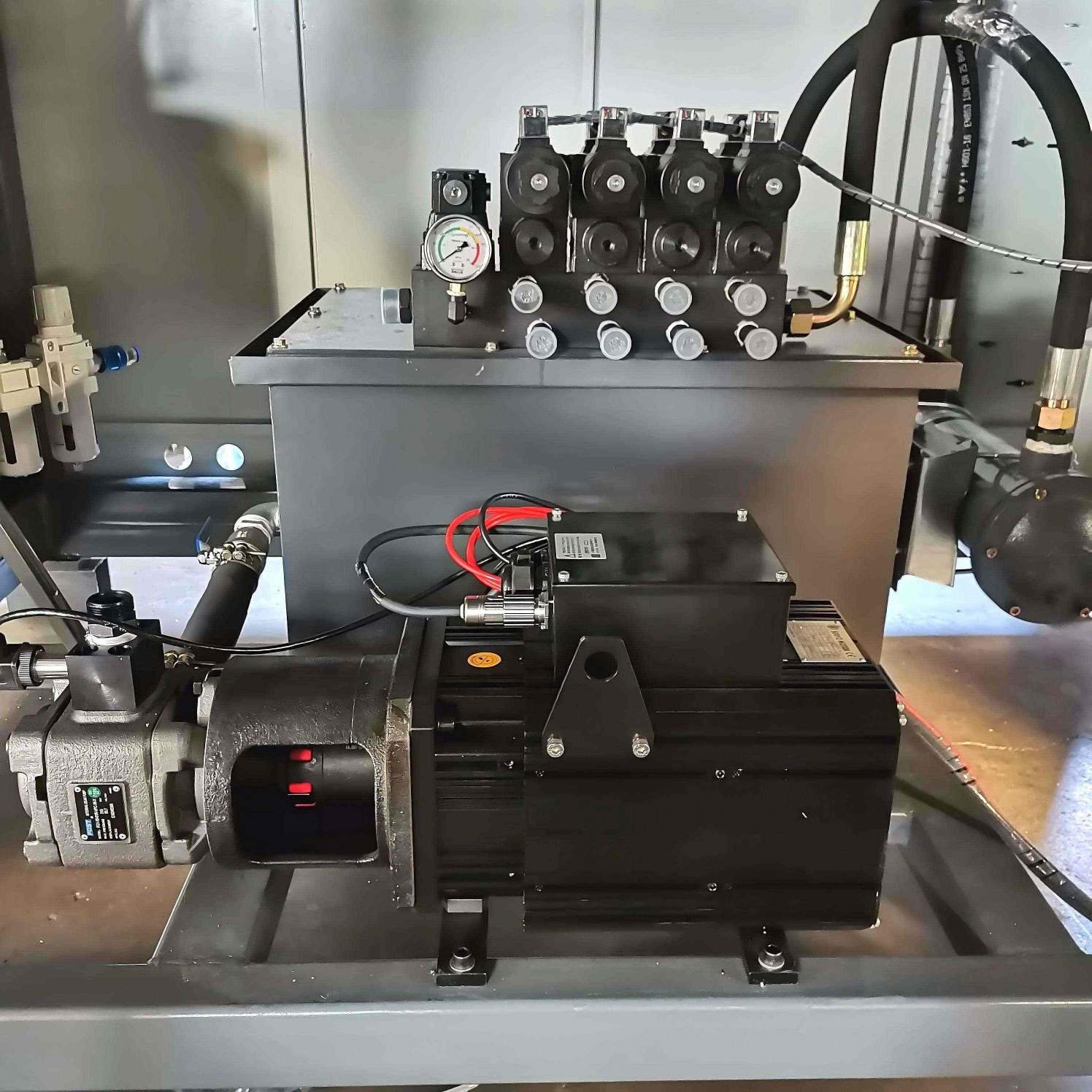
Figure 1: High-rigidity toggle clamping platen assembly on Sailwin automatic PET stretch blow molding machines.
2. Comprehensive Comparison: Electric Servo vs Hydraulic Clamping
While hydraulic clamping served as the historical industry workhorse, all-electric servo toggle architectures have achieved undisputed superiority across modern packaging plants. The technical matrix below contrasts both systems across key operational metrics:
| Performance Factor | Electric Servo Toggle Clamping | Traditional Hydraulic Clamping | Operational Impact |
|---|---|---|---|
| Energy Consumption | Low: 3.5 – 5.5 kW avg draw | High: 11.0 – 18.5 kW continuous | 35% to 45% reduction in total machine power bill |
| Clamping Position Repeatability | +/-0.02 mm encoder precision | +/-0.15 mm (oil temp sensitive) | Eliminates mold parting line flash completely |
| Dry Cycle Open/Close Speed | 0.28 seconds (S-curve profile) | 0.45 – 0.60 seconds | Increases net hourly output by 12% to 18% |
| Cleanroom & Food Safety | 100% Oil-Free; zero contamination | Risk of hydraulic leaks & oil mist | Complies directly with FDA, HACCP, and ISO 22000 |
| Maintenance & Consumables | Periodic auto grease cartridge refill | Oil changes, filter swaps, seal wear | Saves $4,500+ annually in hydraulic oil and filters |
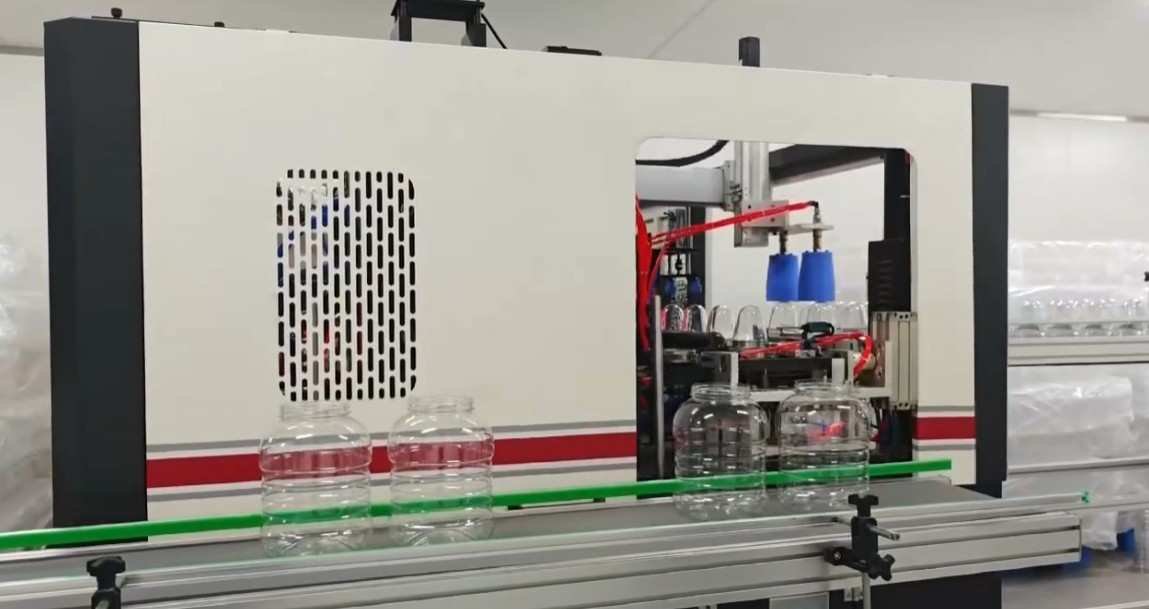
Figure 2: Fully enclosed electric servo blow molding machine providing ultra-clean, high-speed container manufacturing.
3. Case Study: Bottling Plant Slashes Power Draw by 38% With All-Electric Clamping
A high-volume mineral water co-packer in Almaty, Kazakhstan, replaced three aging hydraulic linear blowers with Sailwin 6-cavity all-electric servo machines, eliminating parting line flash and achieving $41,200 in annual energy savings.
- Facility Scale: Operating 24/7 producing 500ml and 1.5L PET water bottles at 9,000 BPH.
- Problem: Hydraulic oil chillers constantly overloaded in summer months, causing hydraulic oil breakdown, pressure fluctuations, and visible parting line flash exceeding 0.18mm.
- Energy Cost: High local peak electricity tariffs ($0.14/kWh) caused excessive operating overhead.
- Machine Installation: Deployed Sailwin MW-F6 electric servo blow molders featuring 42-ton synchronized double-toggle clamping linkages.
- Precision Control: Integrated digital platen position feedback with automated mold height adjustment on the HMI touchscreen.
- Oil Elimination: Decommissioned external hydraulic power units, oil chillers, and 600 liters of circulating hydraulic fluid.
- Energy Reduction: Average power consumption dropped from 38.5 kWh to 23.8 kWh per machine (38.2% electrical power savings).
- Parting Line Quality: Parting line flash reduced from 0.18mm to imperceptible micro-lines (<0.02mm).
- Annual Savings: Achieved $41,200 in annual energy and maintenance savings per production line.
Data source: Sailwin Customer Case Archive #KAZ-2026-05. Equipment: MW-F6 Electric Servo Blow Molder.
4. Mechanical Toggle Kinematics: The Over-Center Advantage
The defining engineering virtue of the mechanical toggle linkage is its non-linear mechanical advantage. As the servo motor drives the center crosshead forward, the toggle arms unfold:
- Rapid Approach Velocity: In the first 80% of travel, the platen moves at maximum linear speed to quickly close the cavity gap around the incoming preforms.
- Infinite Clamping Force Multiplication: In the final 20% of stroke, velocity gently slows while mechanical leverage multiplies exponentially. When the toggle links align in a straight line (“dead center”), the mechanical advantage theoretically approaches infinity.
- Zero-Power Clamping Hold: Once locked over-center, the toggle mechanism mechanically absorbs the 40-bar outward blowing force directly through high-tensile tie-bars. The servo motor holds position with minimal electrical torque, completely immune to power blips or pressure valve drift.
Frequently Asked Questions
Upgrading from hydraulic to all-electric servo stretch blow molding?
Connect directly with Sailwin’s machinery engineering team on WhatsApp for an energy ROI consultation.
4. Summary: The Inevitable Migration to All-Electric Blowing
In the modern packaging landscape, competitive advantage belongs to producers who minimize energy cost per unit while meeting rigorous hygienic food-contact standards. Electric toggle clamping delivers absolute parting line integrity, unmatched energy savings, and zero oil contamination. Sailwin Machinery provides state-of-the-art all-electric servo PET blow molders engineered for maximum uptime and rapid capital payback.
- Size clamping tonnage to provide a minimum 1.25x safety margin over peak 40-bar blowing forces.
- Leverage mechanical over-center toggle kinematics for zero-power clamping lockup.
- Partner with Sailwin for turnkey all-electric blow molding machinery, molds, and line integration.
SAILWIN MACHINERY · CLAMPING PRECISION EXCELLENCE
Ready to Eliminate Parting Line Flash & Cut Energy Costs?
Send us your bottle drawings and current hourly energy consumption. Our engineering group will prepare an electric conversion feasibility study and ROI financial breakdown within 24 hours.
Explore Complete PET Packaging Solutions:
• PET blow molding machine – Comprehensive catalogue of linear and rotary stretch blowers.
• servo driven pet stretch blow molding machine – All-electric servo technology details.
• pet blow molding machine cost guide – Complete 2026 pricing and auxiliary breakdown.
• air recovery blow molding machine – Cut pneumatic power consumption by 30%.
• Need dedicated technical advice? Contact our machinery specialists for a 1-on-1 equipment evaluation.